
Ten Days in Paradise: Arriving on Kauai, Hawaii
Wild coastline, hidden trails, and one Russian fort nobody warned me about.
For weeks I kept changing my mind.
Which Hawaiian island first? Each one promises something different. Oahu has the energy, the history, the famous shore. Maui has the volcano and the road to Hana. The Big Island is still being born — lava still flows there, still reaching the ocean. But then I saw a photo of Kauai — jagged green cliffs dropping straight into the ocean, waterfalls hidden in the valleys — and the decision made itself.
That's what Kauai looked like in my imagination when I thought of an exotic island. I had to see if it was real.
It was more real than I expected.
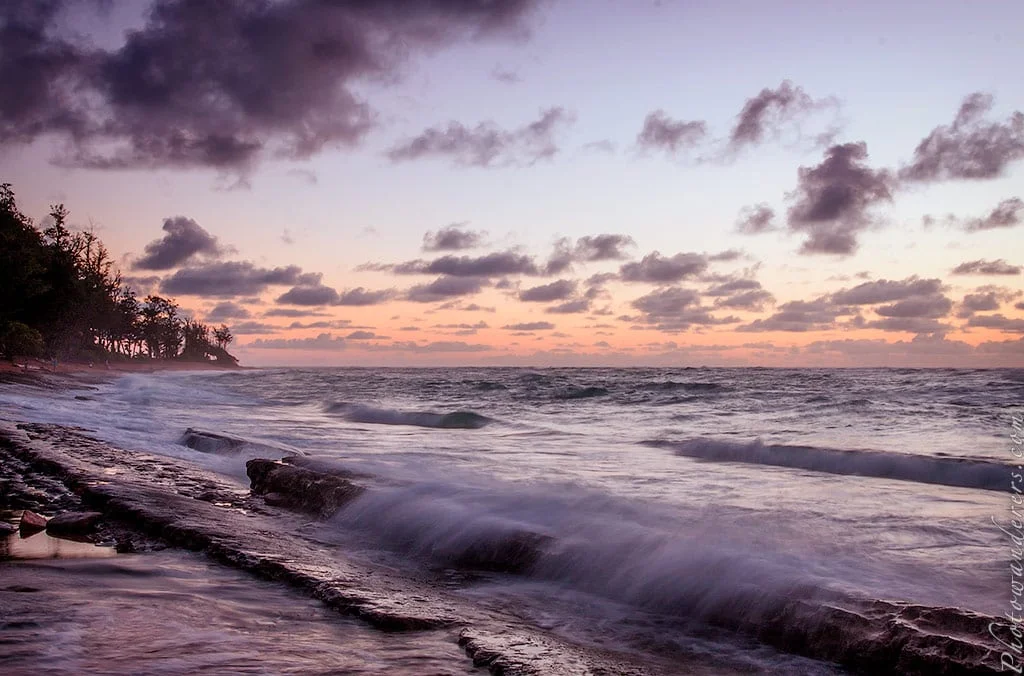
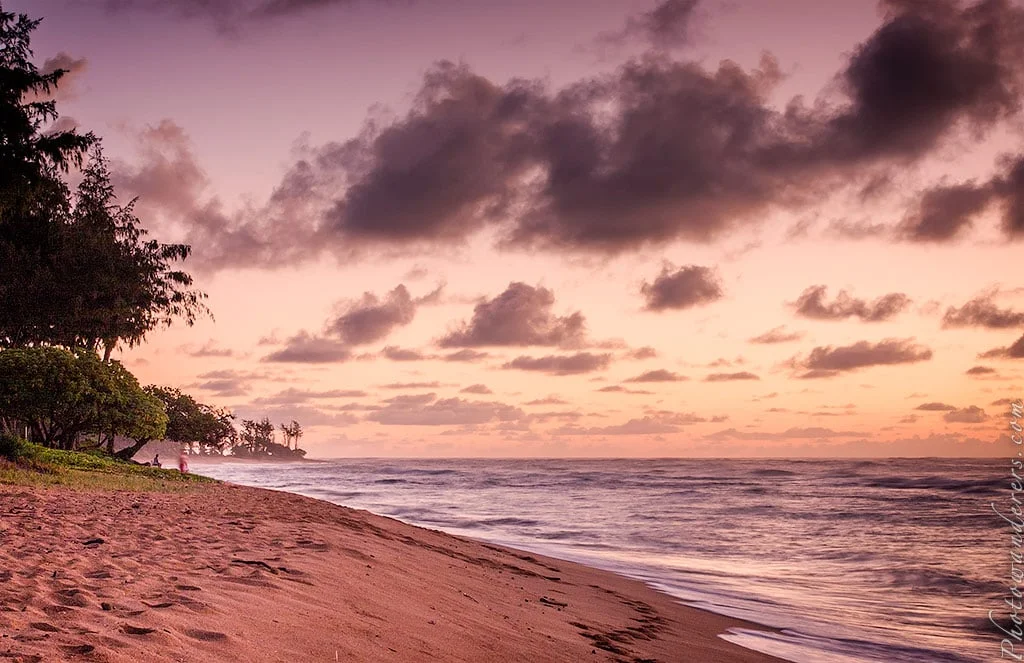
We stayed in a small hotel right on the beach in Kapaa — the Aston Islander on the Beach. Our home for ten days. The first few nights I couldn't sleep. Not from excitement, though there was plenty of that. The surf was so loud it shook the windows. I had no idea waves could be that loud. After a few days we stopped hearing them.
That first morning, I also met the locals.
Not the friendly hotel staff. The other locals.
Roosters. Wild chickens. Everywhere.
On the road near the hotel. In restaurant gardens. Crossing the street without looking, like they owned the place. Which, honestly, they did. Nobody seemed bothered by them. After a day or two, neither were we.
When the sun was fully up, we went to find trouble.
Queen's Bath was first on the list.
Queen's Bath
The trail starts nicely. Green forest, a small waterfall beside the path, birds somewhere above. Then you reach a sign listing how many people have died here. Swept off the rocks. Pulled into the ocean. The number is not small.
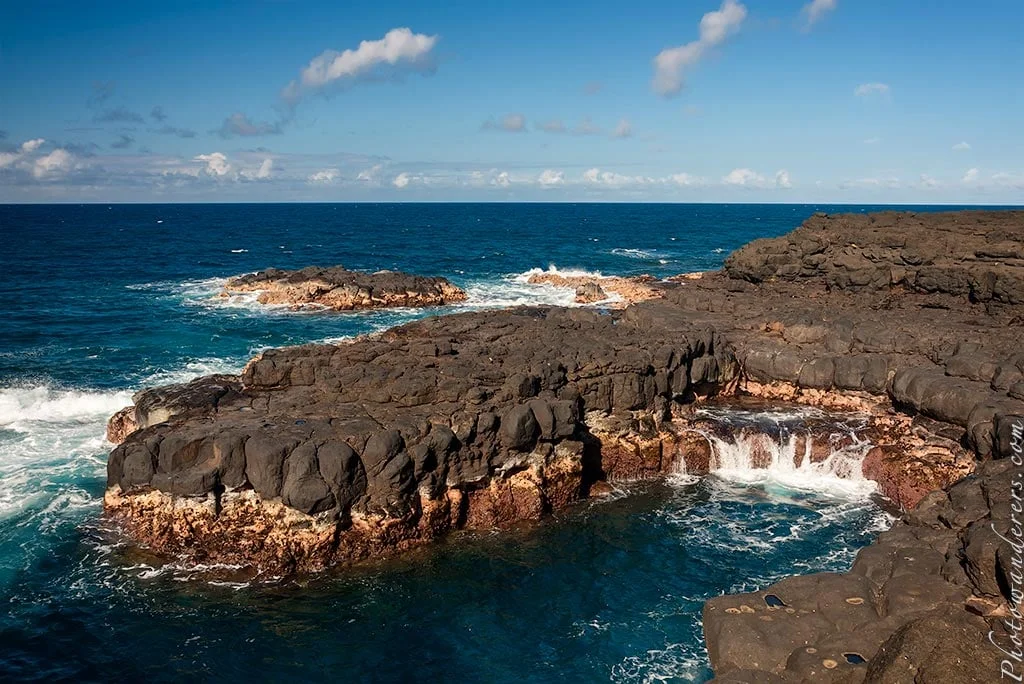
Queen's Bath is a pool carved by lava and filled by the sea. The water is green and so clear you can see every rock on the bottom. It looks like a secret swimming pool that nature built and forgot to tell anyone about.
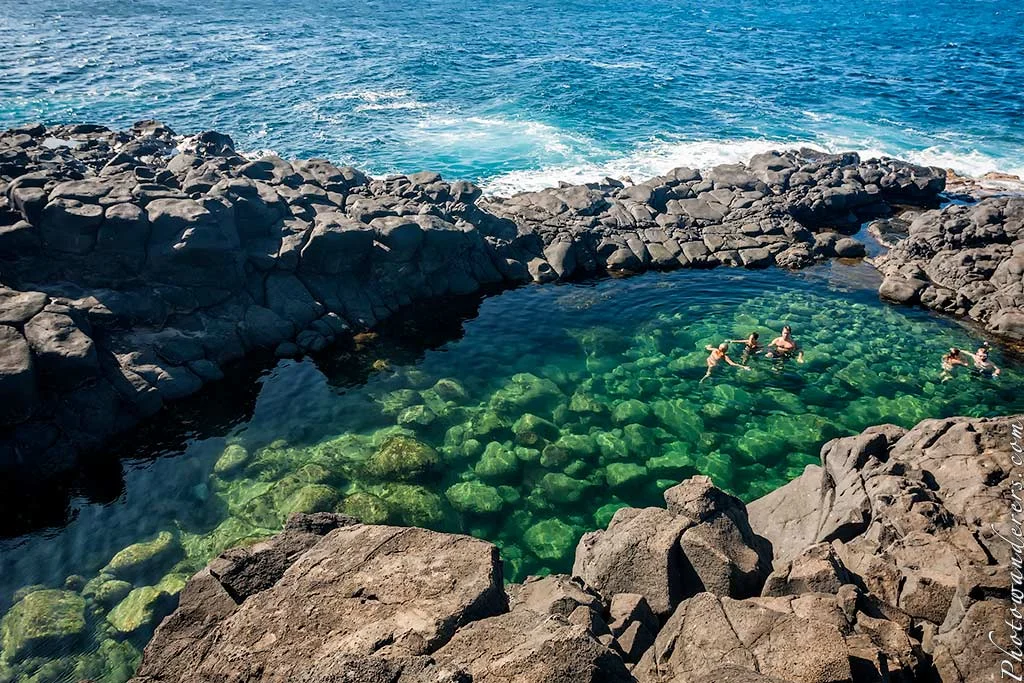
Just past the black rocks — the Pacific. Crashing, white, loud. Two different worlds, a few meters apart.
People were swimming in it.
We watched from above. Every few minutes, a wave hit the outer rocks and exploded. Inside the pool, the water barely moved. The swimmers floated peacefully, like they couldn't hear it.
Maybe they knew something we didn't. Maybe they just didn't read the sign.
We stayed where we were.
Kilauea Lighthouse
The road ends at the edge of the island.
The cliff just stops, and beyond it — nothing but ocean all the way to Alaska.
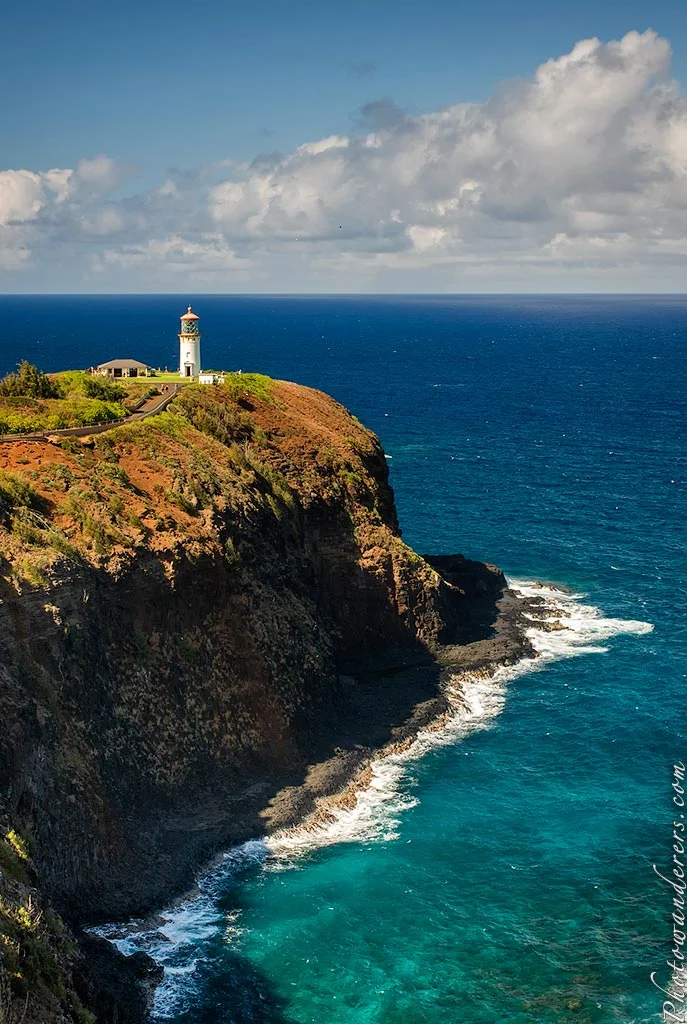
The lighthouse has stood here for a hundred years. The wind is constant and strong. Frigatebirds hang in the air without moving their wings, riding whatever the wind offers, entirely unbothered.
You don't need to know anything about lighthouses to feel something standing there.
Hanalei Bay
Hanalei Bay is the most photographed spot on the island. Standing there you immediately understand why.
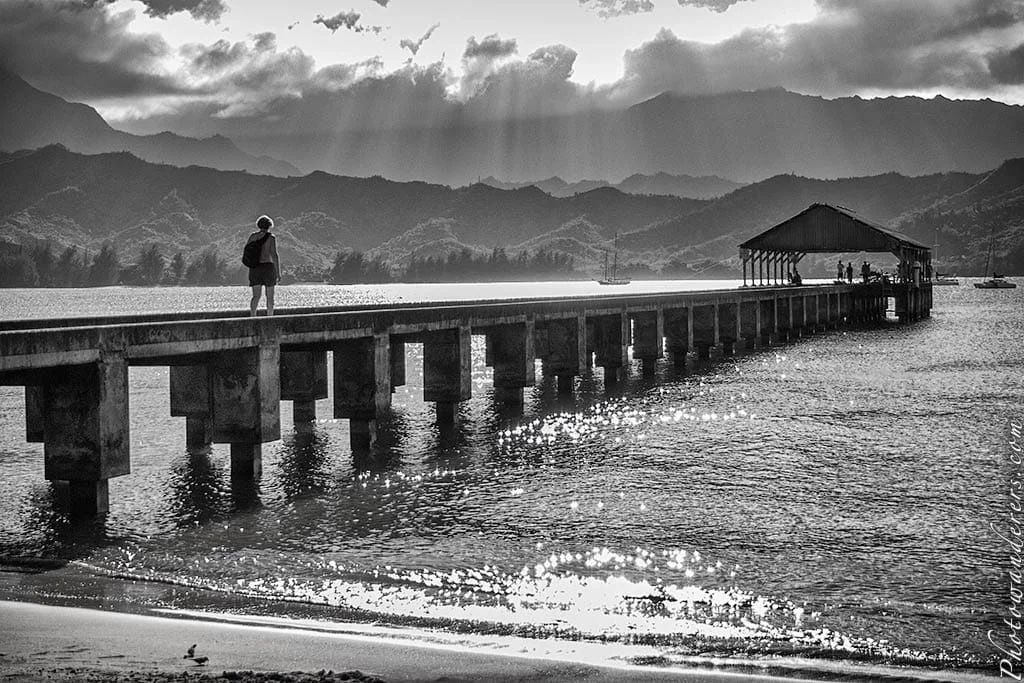
A long wooden pier stretches into perfectly still water. Behind the beach the Hanalei mountains rise straight up, their peaks wrapped in clouds so thick they look like they continue into the sky forever. Light comes through in rays. Everything is quiet in a way that big beautiful places sometimes are.
That figure standing alone on the pier, looking at all of it?
That's me.
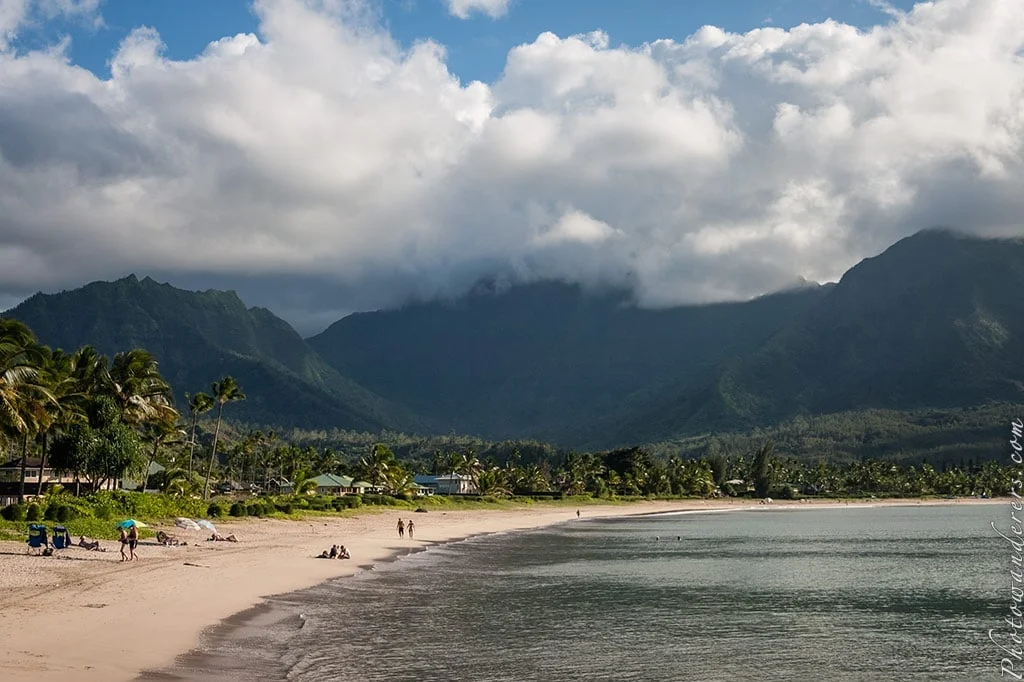
It's one of those places where you take fifty photos, and none of them are quite right. The mountains are too big. The light keeps changing. The water is a different color every hour.
You end up just standing there instead.
Mahaulepu Coast
One morning it was raining. Not a dramatic storm — just steady, grey, not going anywhere soon.
Someone told us: when it rains in the north, drive south to Poipu. It's almost always sunny there.
We didn't really believe it. We drove anyway.
They were right.
We found Shipwreck Beach and a trail starting at the edge of it. The name was enough to make us curious.
Somewhere along the trail, we almost missed it.
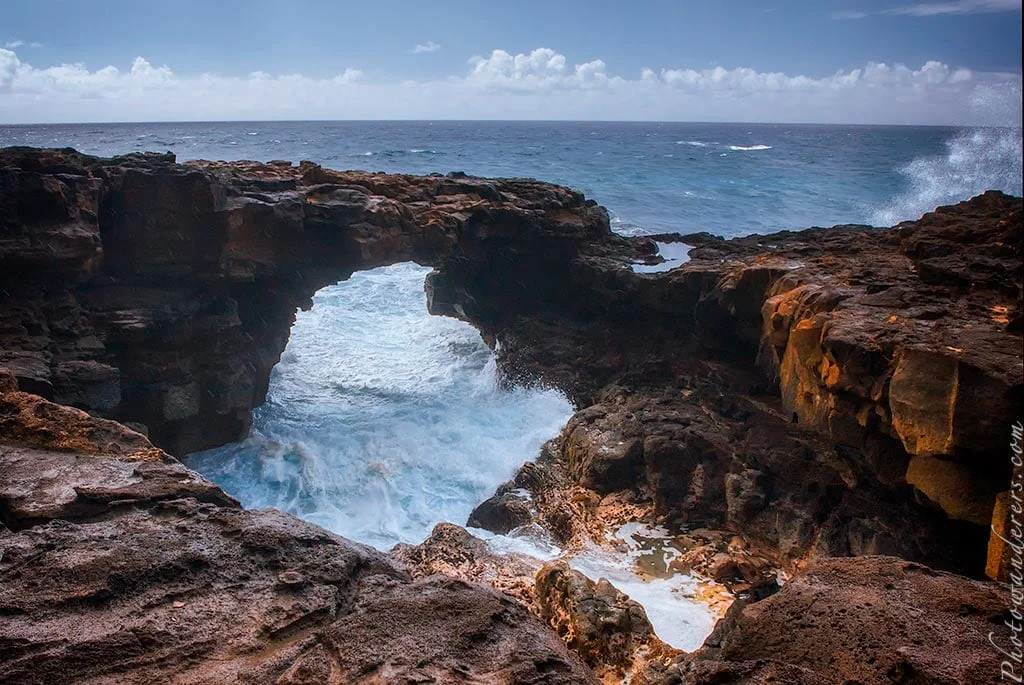
The ocean had carved a hole straight through the lava rock. Waves pushed through the arch and exploded into the pool below — loud, chaotic, unexpected. You would never find it unless you knew to look. We almost didn't.
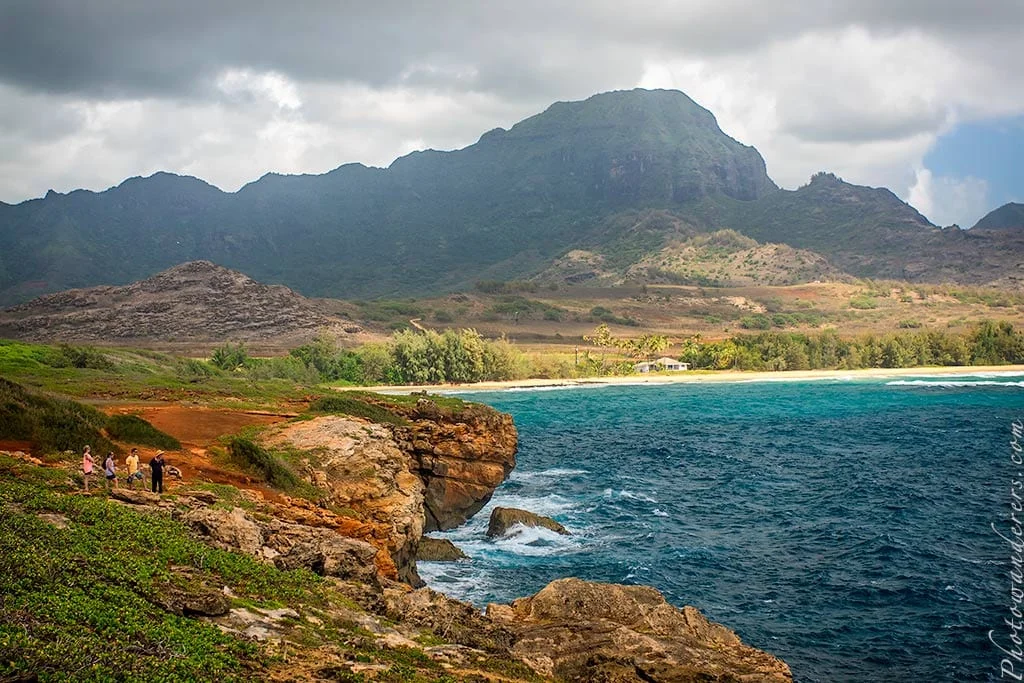
The trail follows the cliffs. Red lava rock under your feet, the ocean below, waves hitting the shore and turning white. No hotels. No beach chairs. Nobody is selling anything. Just the coast, and nothing else.
Then you round a bend and see this.
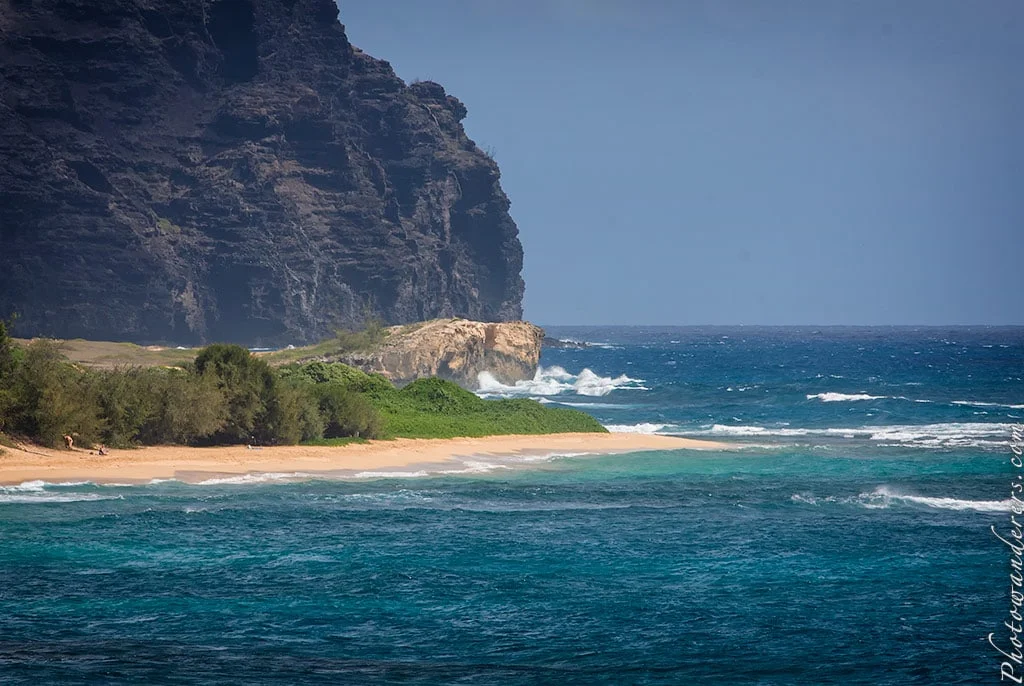
That cliff. That hidden beach. That color of water.
Spouting Horn
On the south coast, at the end of a road lined with vendors selling shell jewelry, the ocean has a trick.
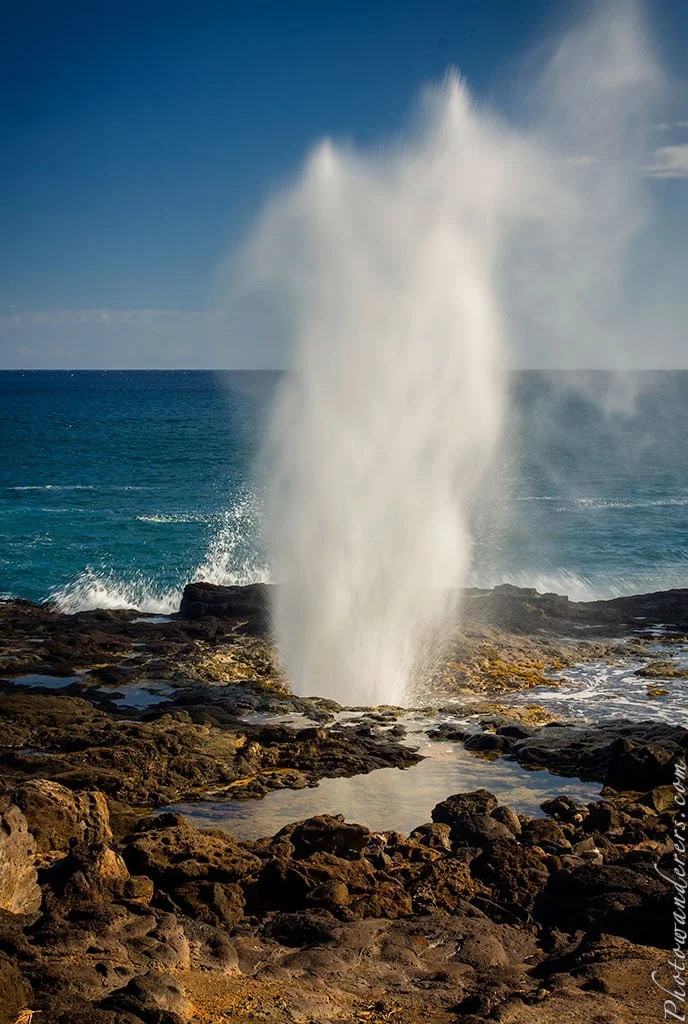
A lava tube runs under the rocky shore. When a wave pushes through, water explodes from a hole in the rock — a column of white spray shooting straight up, loud and sudden. Then it hisses back down. Then another wave comes. Then it happens again.
You can't stop watching.
The ancient Hawaiians had an explanation. A giant lizard called Kaicapu lived here and ate anyone who dared to fish nearby. A brave boy named Liko challenged it. During the fight Liko stabbed the lizard with a spear and jumped into the ocean. Kaicapu followed. Liko escaped through a small hole in the lava rocks. The lizard didn't make it.
It's been stuck there ever since.
The hissing you hear? That's Kaicapu. Still angry. Still breathing.
The Russian Fort Nobody Told Me About
Nobody warned me about the Russian fort.
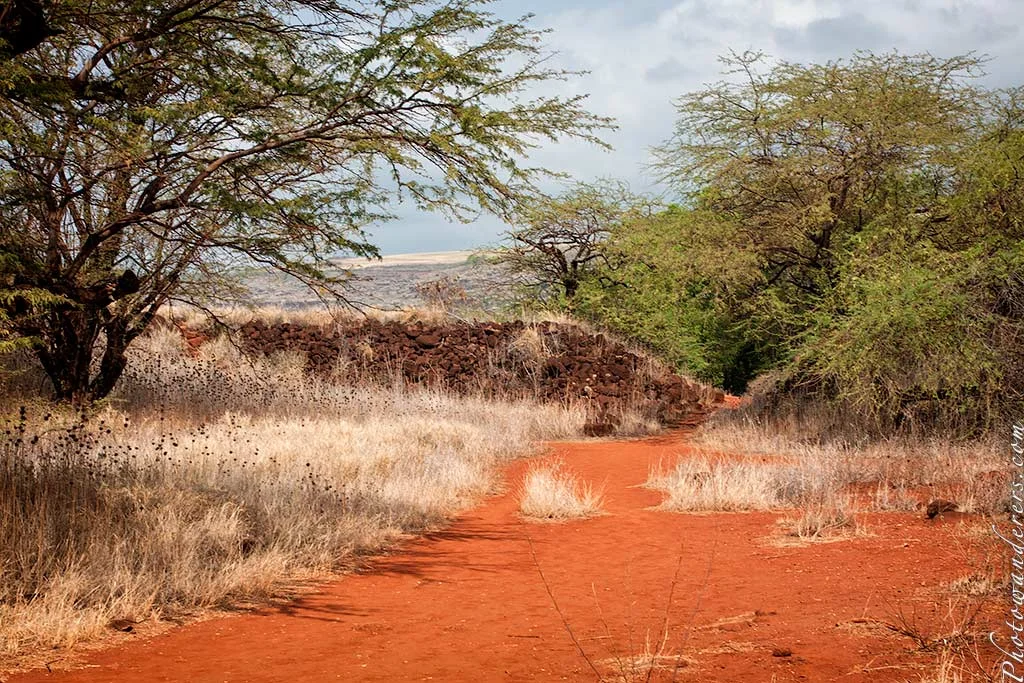
The walls are still there. Low, built from dark lava rock, half hidden in dry grass and red Hawaiian soil. No visitors. No tour groups. Nobody at all. Wind moving through the scrub trees and this strange quiet feeling of a story everyone forgot.
The Hanapepe River runs along one side. Calm, unhurried, ordinary. Hard to imagine it was once renamed the Don, after the great Russian river, by a man who had no authority to rename anything at all.
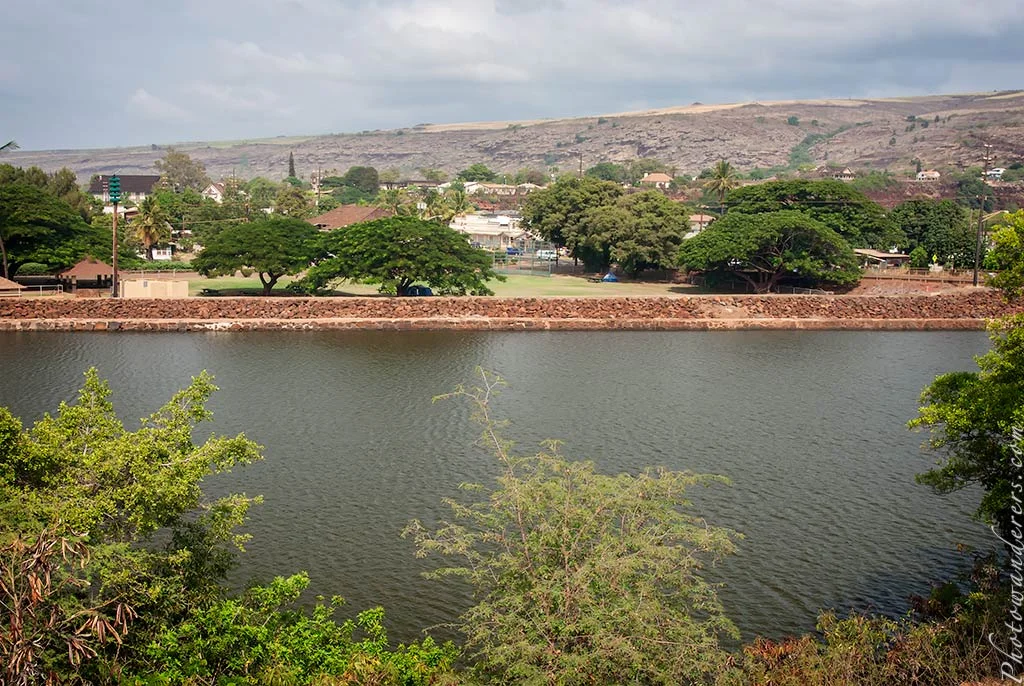
In 1815, a ship called the Bering — sailing for the Russian-American Company — wrecked near here. A German surgeon named Anton Schaeffer was sent to recover the cargo. Instead, he made a deal with the local ruler, promised him the protection of Tsar Alexander I, and built three forts on Kauai.
He had no permission to do any of it.
It took fifty years for everyone to figure that out. The forts were taken, the Russians sent away, the river was renamed back to Hanapepe.
But I understood Schaeffer completely. The same restless spirit that pushed people across the Atlantic to build the first American colonies — it was here too, just flying a different flag. Russian czars didn't encourage adventures like this. But people are people. Some of them just can't help themselves.
Standing in that red soil, inside those forgotten walls, I felt it.
Ten days were not enough.
It never is with Kauai.
There were cliffs still to climb, canyons to stand on the edge of, a botanical garden that one woman spent twenty years building from nothing. Those stories are coming.
But this is how it started. Warm air. Wild chickens. Waves that knocked me sideways at sunrise.
I was already in love with the island before I even unpacked.
Comments
Leave a comment