
3 Days in Victoria, Canada — Britain's Outpost on the Pacific
Seaplanes, totem poles, afternoon tea, and a Victorian castle
It started with a magazine.
Sunday morning. No plans. Alex picked up the Orange County Auto Club journal, flipped to an article about the most British city in North America, and looked up.
"Want to go to Canada?"
Three hours later we had flights booked.
Victoria is the capital of British Columbia, sitting on the southern tip of Vancouver Island. You can only get there by air or water. While most of America was preparing for Fourth of July barbecues, we were heading north — chasing fog, ocean air, and afternoon tea.
The flight from Los Angeles took just over three hours. As we descended, pine-covered islands appeared in the grey water below, and then the long dark shape of Vancouver Island came into view. Fireworks greeted us from below — Canada Day, July 1st. The country was celebrating its birthday.
On the shuttle from the airport, the driver delivered news with a cheerful smile.
"Four cruise ships docked today."
I looked out the window and went to bed early.
Morning was a different story.
The ships had gone. The harbor was quiet. Outside our window at the Coast Victoria Hotel & Marina, the water of the Juan de Fuca Strait was deep blue, and across it, the snow-capped Olympic Mountains floated on the horizon like something from a painting. Somewhere over there — Port Angeles. Forks. The edge of Washington State.
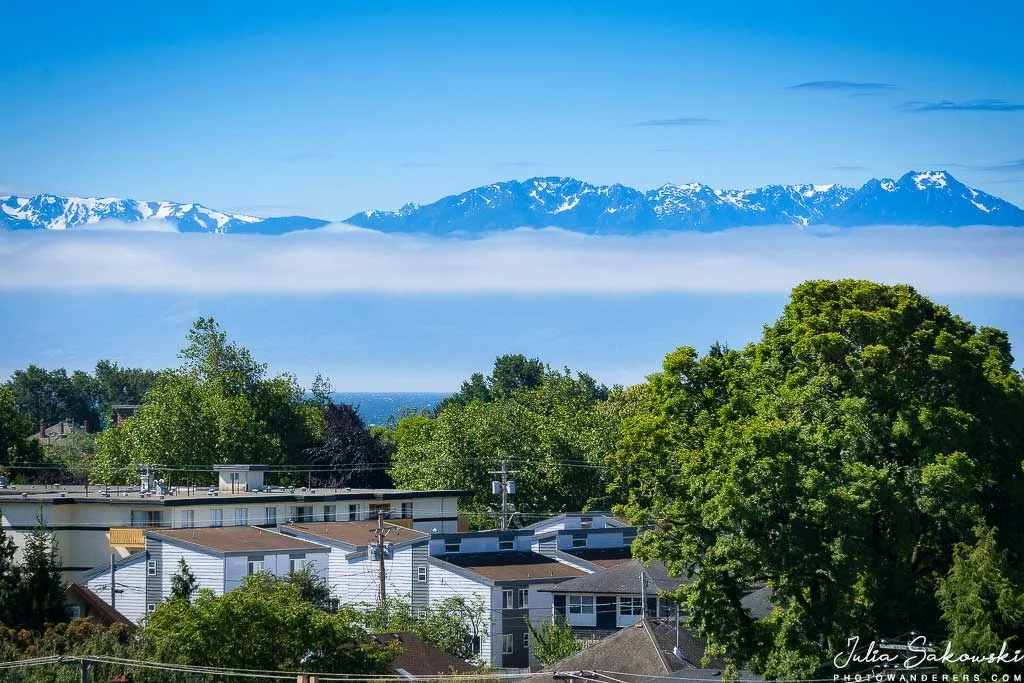
We stood at the window for a while, coffee in hand, not saying much.
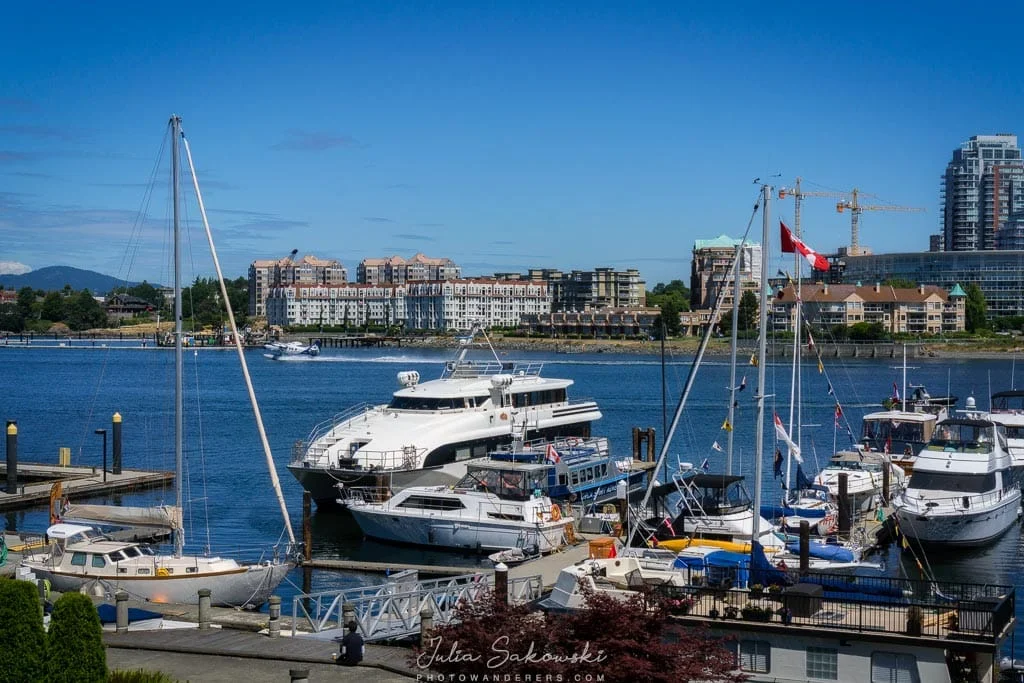
The hotel restaurant faced the same view. We sat down, ordered salmon, and watched the first seaplane of the morning taxi across the water and lift into the pale sky.
Sunday — Museums, Totems, and Tea
The Royal British Columbia Museum sounds like the kind of place where you politely nod at things in glass cases.
It is not that kind of place.
We walked down the gangplank of HMS Discovery — the ship Captain George Vancouver sailed here in the 1790s. Through a reconstructed gold rush town, sawdust in the air, floorboards creaking underfoot. Then into an Ice Age.
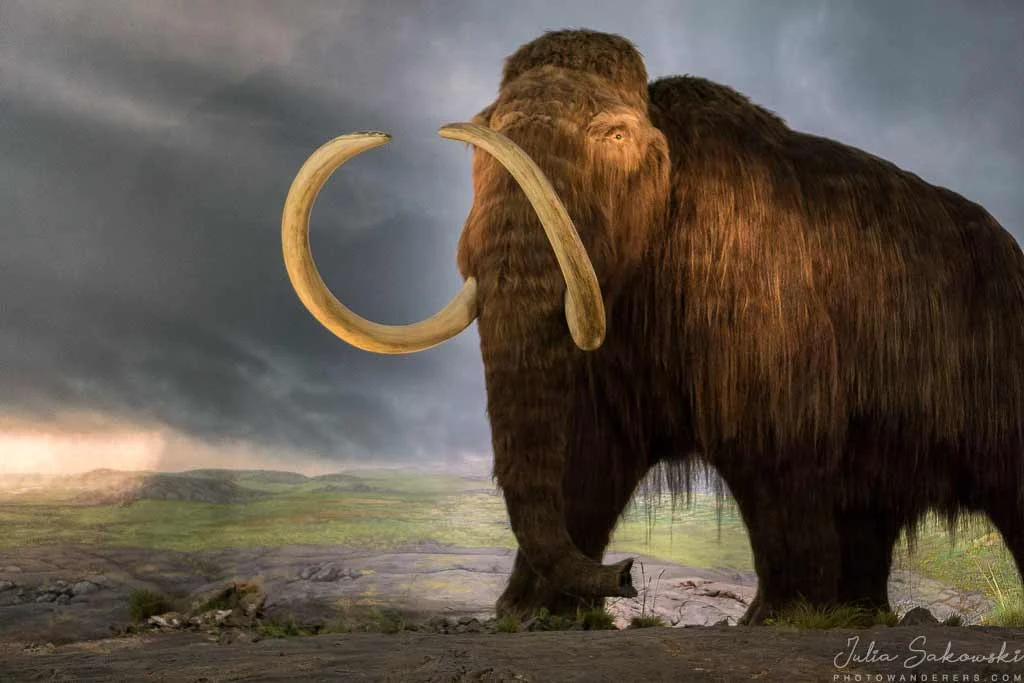
And then — the mammoth.
Standing next to it, I'm convinced the temperature actually dropped. That cold, dusty smell. The size of it. The silence.
Outside, Thunderbird Park stopped me mid-step.
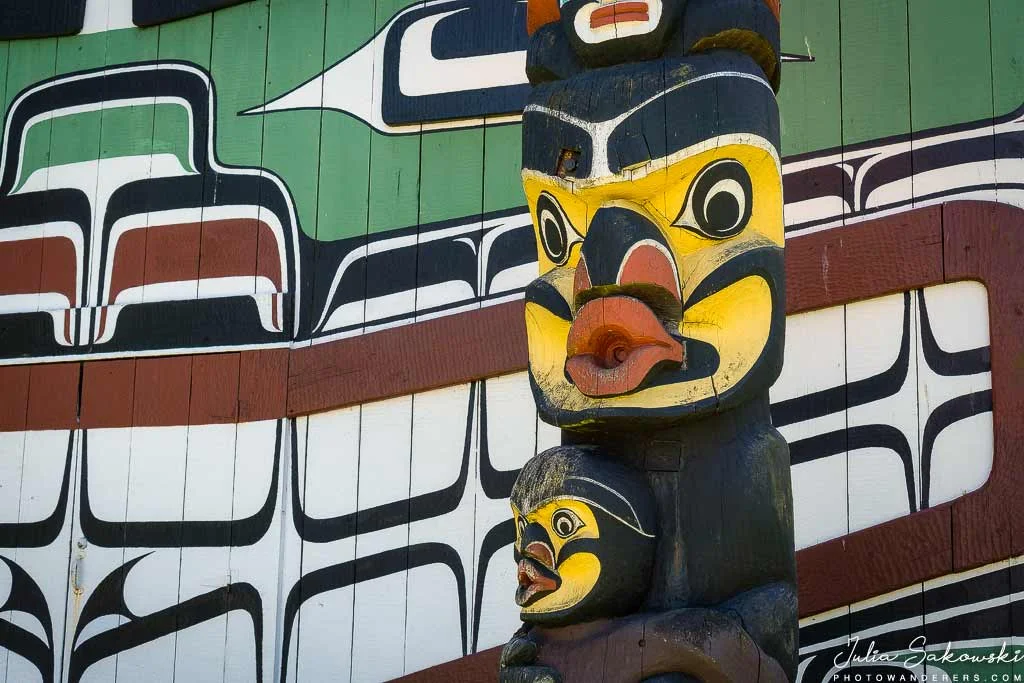
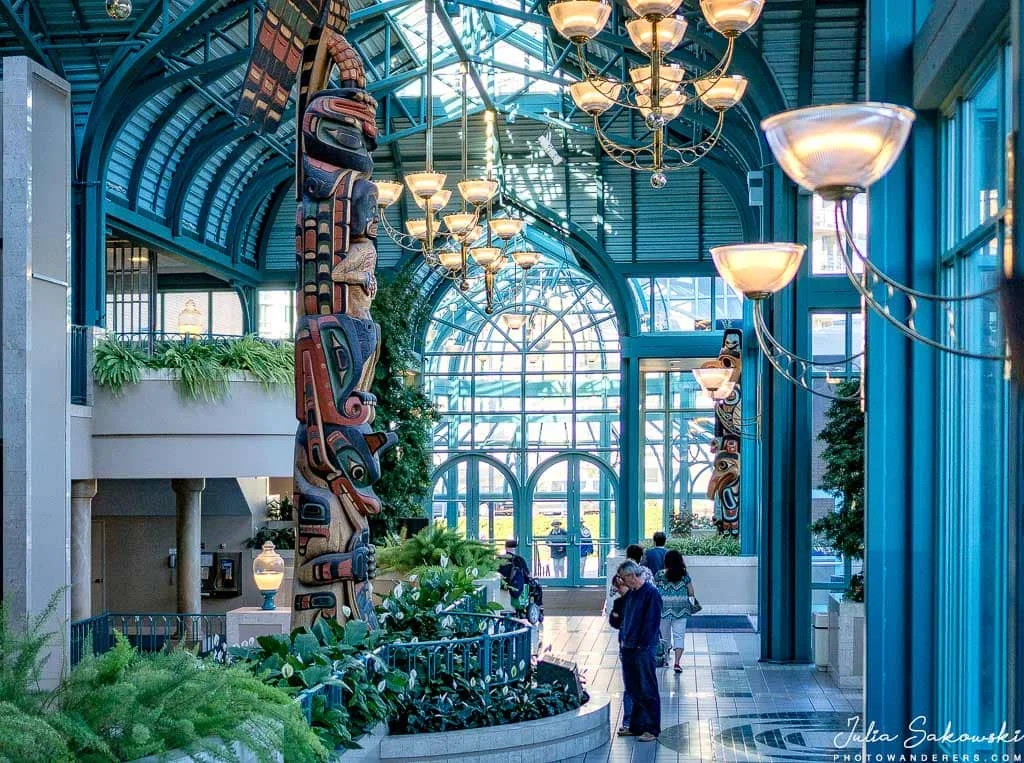
Totem poles rose against the sky — cedar, carved deep with ravens and bears and the great Thunderbird, the spirit that brings storms. They were made by Mungo Martin, a chief of the Kwakwaka'wakw people, whose name I practiced saying the entire walk back to the hotel.
By five o'clock we were ready for tea.
The tea room smelled of warm bread and something floral. Red velvet drapes, golden afternoon light, harbor views through tall windows. A three-tiered stand arrived — finger sandwiches, scones, clotted cream, tiny pastries.
We did not finish everything.
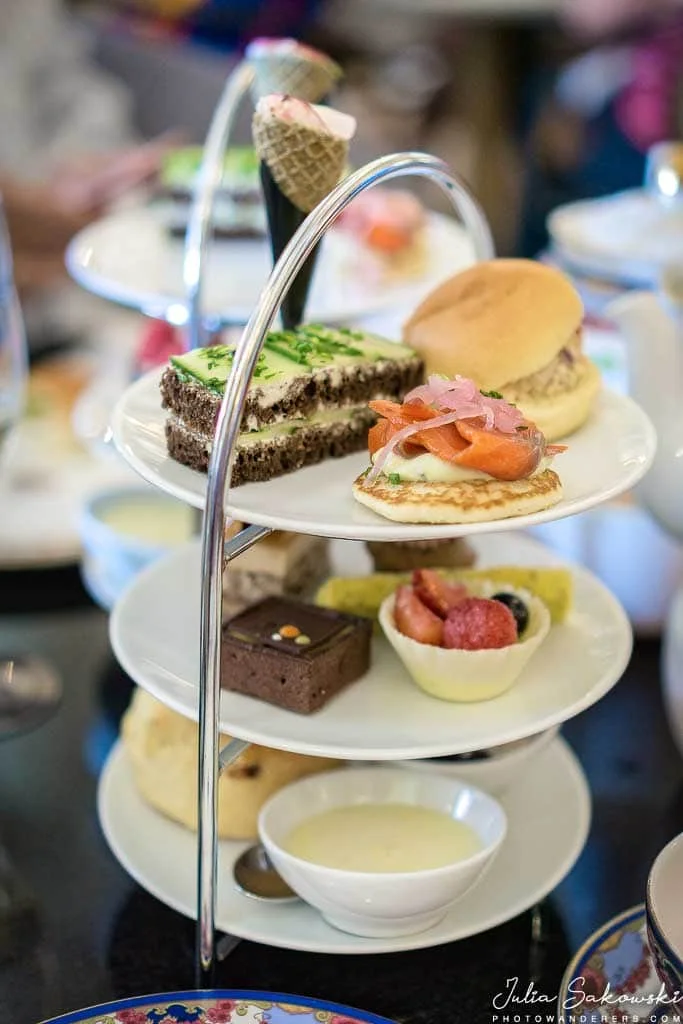
The Empress Hotel has been serving afternoon tea since 1908. It was built for passengers arriving on Canadian Pacific steamships, and it became the most famous building in the city. In the 1960s someone actually suggested tearing it down. Fortunately, that person lost the argument.
Monday — Everything, All at Once
Monday is usually for coffee and survival. Not this Monday.
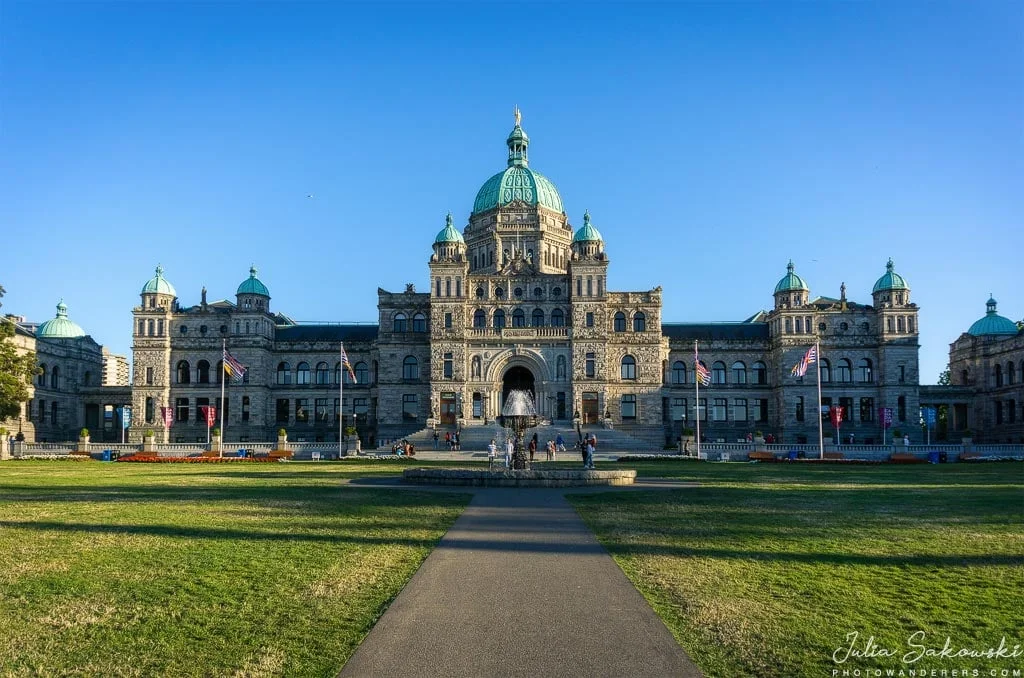
We started outside the Legislative Assembly of British Columbia — a Gothic building that looks less like a government seat and more like a Scottish castle dropped beside the harbor. The grand central arch was designed for Queen Victoria herself.
She never came.
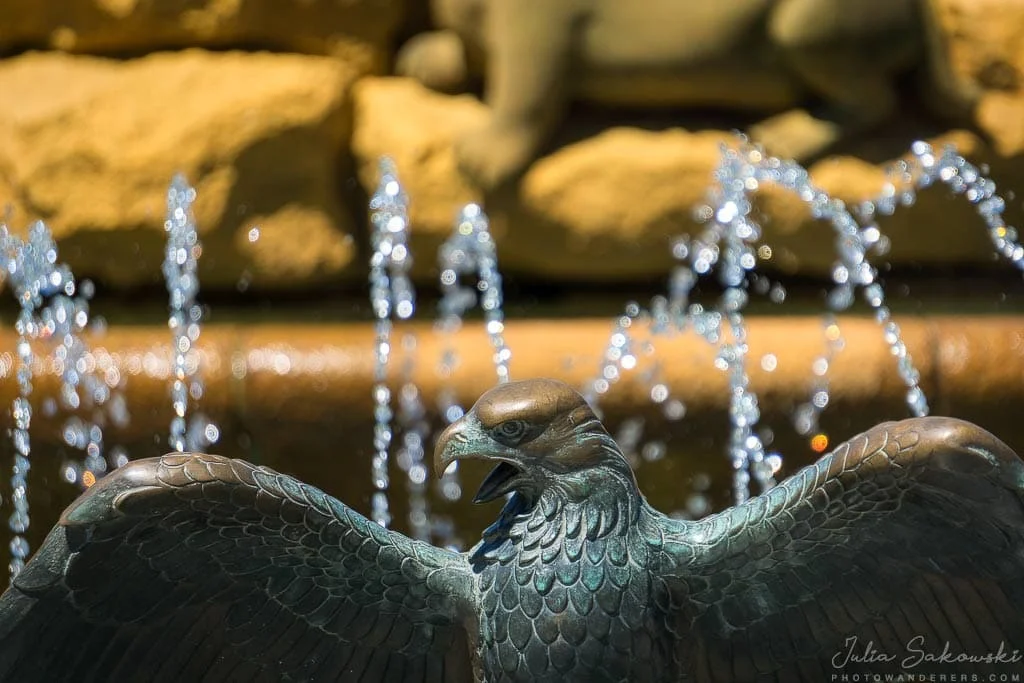
Around the back, a fountain catches the light — four allegorical figures, and an eagle, symbol of Vancouver Island, rising from the water.
From there, the original site of Fort Victoria — a fur trading post from the 1840s, when all of this was called New Caledonia. Through Chinatown. Past the Johnson Street drawbridge. And then uphill, to Craigdarroch Castle.
The Castle
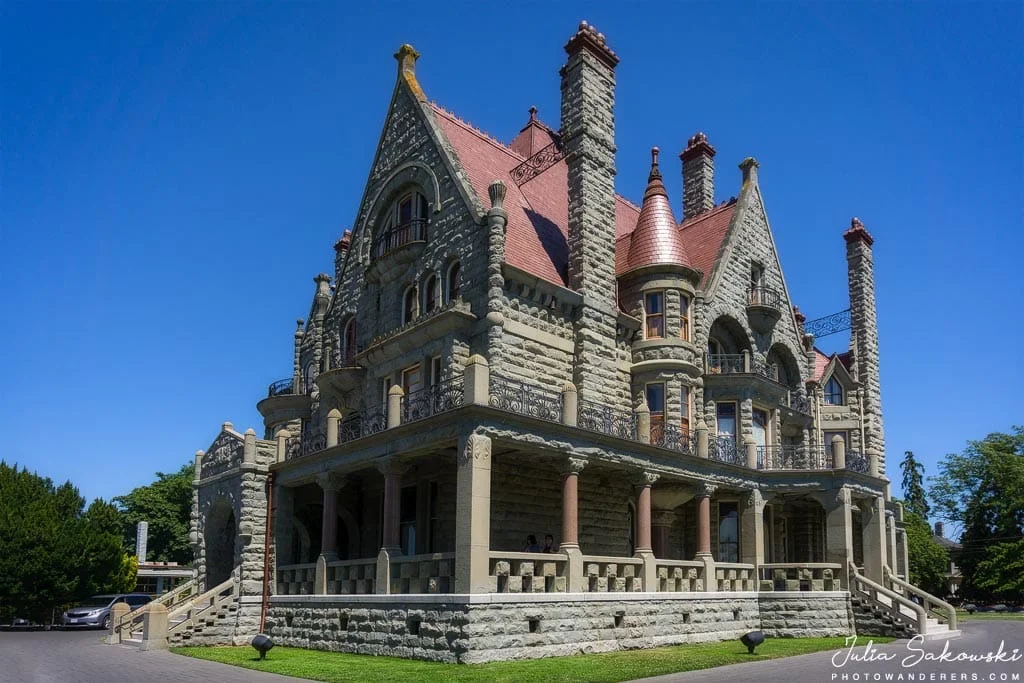
It looks ancient. It is not. Robert Dunsmuir, a Scottish coal baron, built it in 1890. Scottish Baronial style — turrets, stained glass, dark wood paneling. The Dunsmuir family saga that followed reads like a Victorian novel: inheritance disputes, estranged relatives, fortune and ruin.
Thirty-nine rooms. All of them fascinating. All of them upstairs.
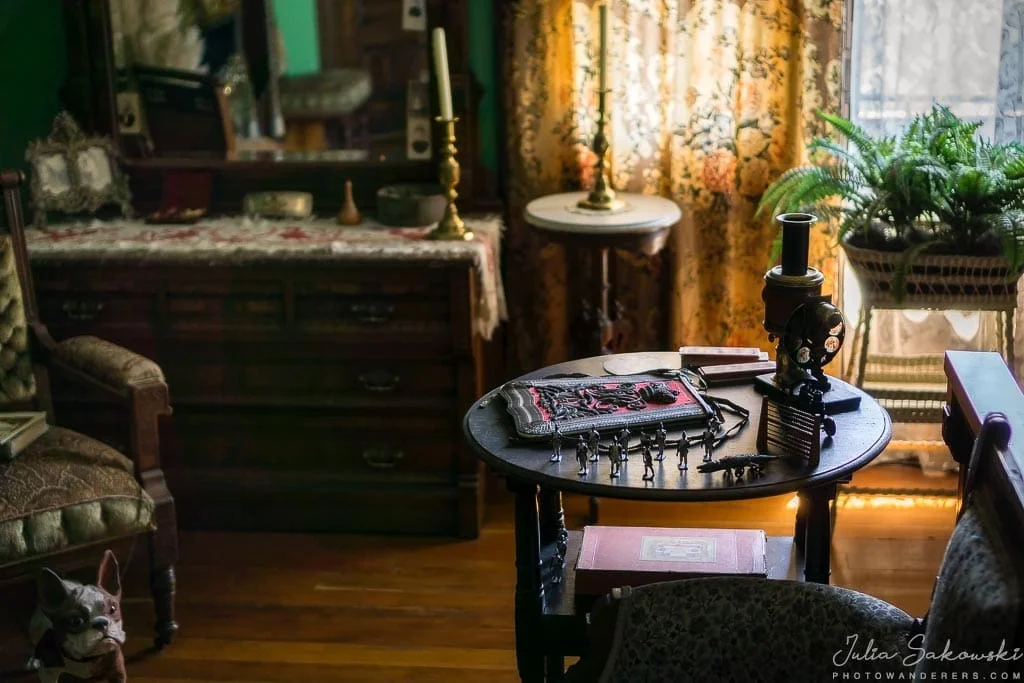
By the time we reached the top floor, I said, half-joking, that it would be much easier to see the city from the air.
Alex had plane tickets booked before I finished the sentence.
Above the City
Twenty minutes later, we were climbing into a tiny seaplane at the Inner Harbour water terminal. It rattled. It smelled strongly of fuel. It was wonderful.
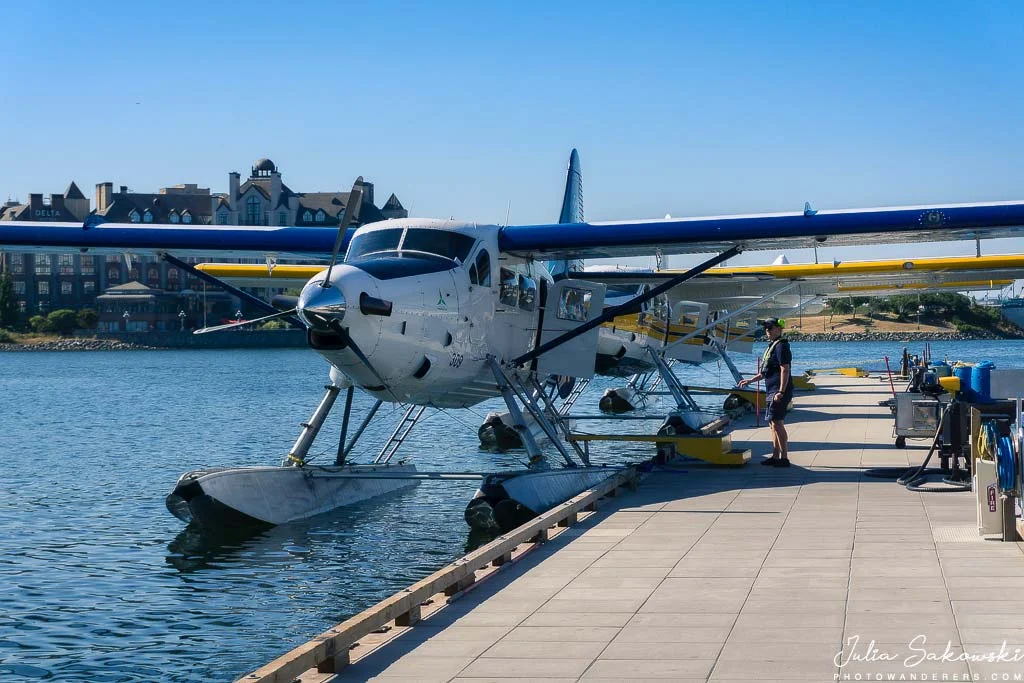
The moment we lifted off, none of that mattered. All ten passengers pressed against the windows.
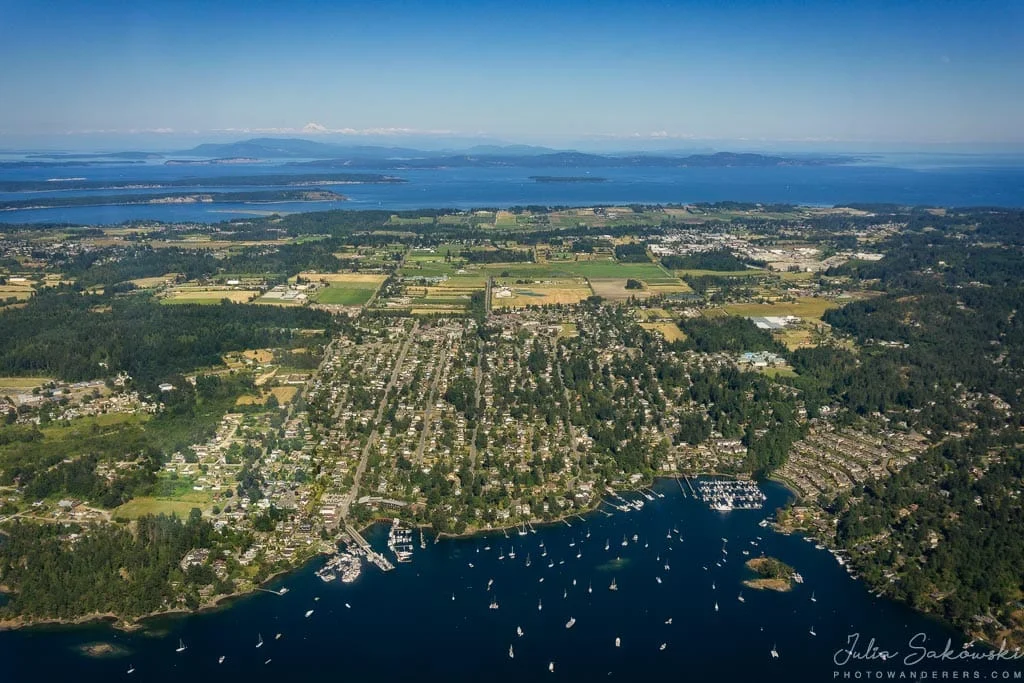
Below us, the city unfolded — the green copper roof of the Empress, the harbor, the white specks of sailboats, and then open water and islands as far as you could see.
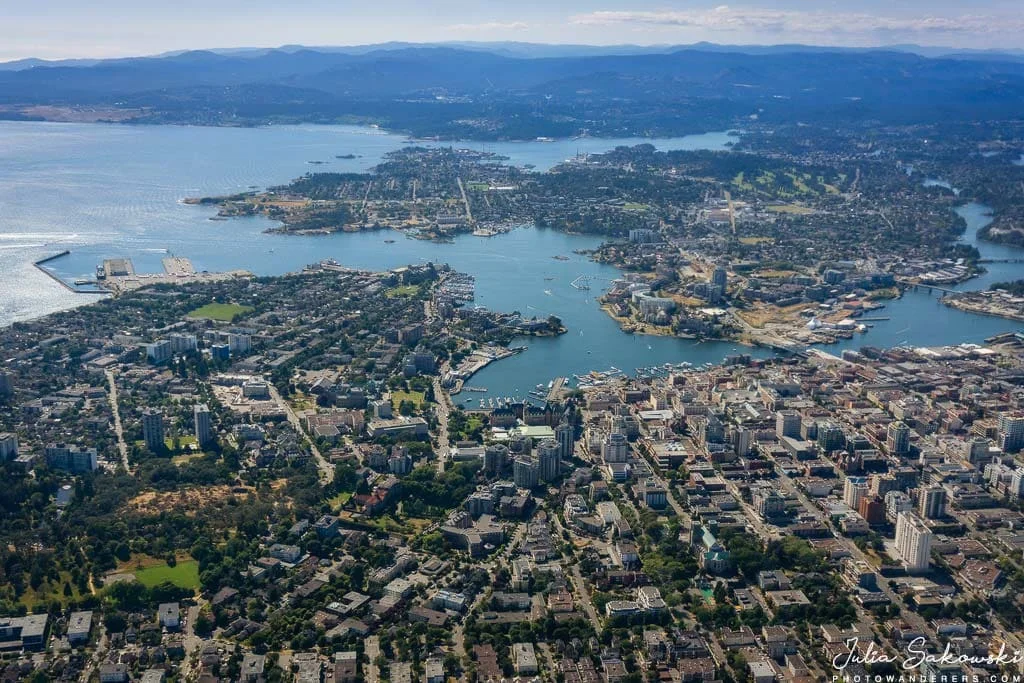
That feeling of seeing a place from above — it never gets old.
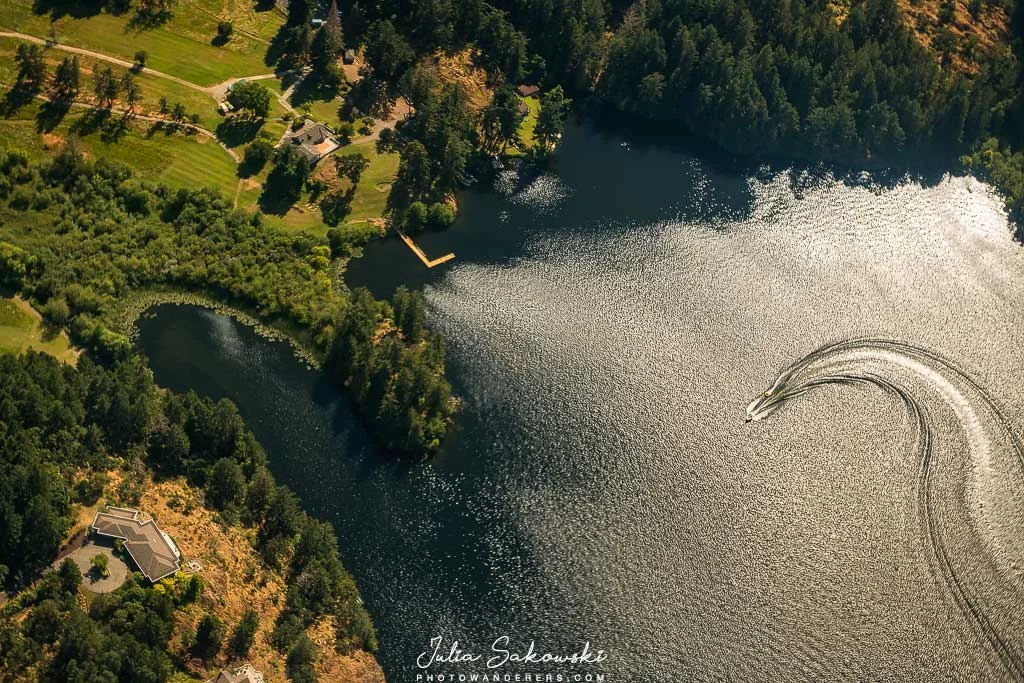
We landed back on the water forty minutes later.
The Gardens
Still flying on adrenaline, we rented a car and drove north to Butchart Gardens.
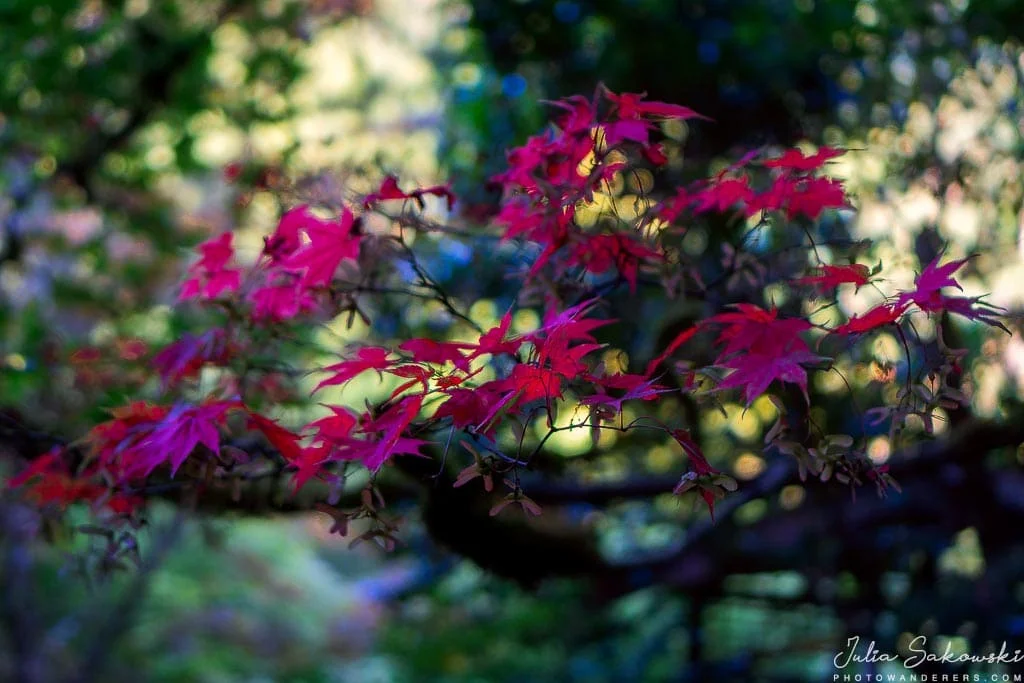
Nothing prepares you for this place.
The colors hit you first. Then the smell — roses, earth, something sweet you can't quite name. The sound of water somewhere nearby. People slow down here instinctively, speaking in lower voices, as if the garden asks for it.
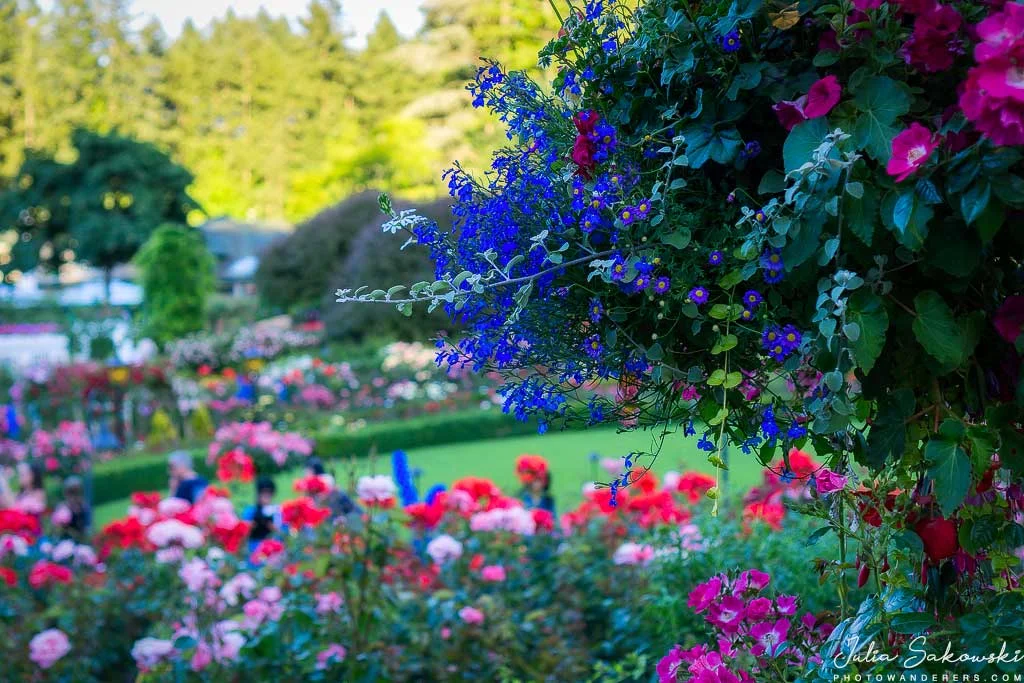
The gardens shift from one world to the next without warning. One moment you're under the lacework of a Japanese maple, the next you're standing on the edge of the Sunken Garden — once a limestone quarry, stripped to nothing and abandoned. Jennie Butchart, the owner's wife, refused to leave it as a hole in the ground. Wagon after wagon of topsoil arrived from nearby farms. She brought in a Japanese landscape designer and planted her way into history.
Standing on the viewing ledge, looking down into that explosion of color, it is genuinely impossible to picture rubble and stone.
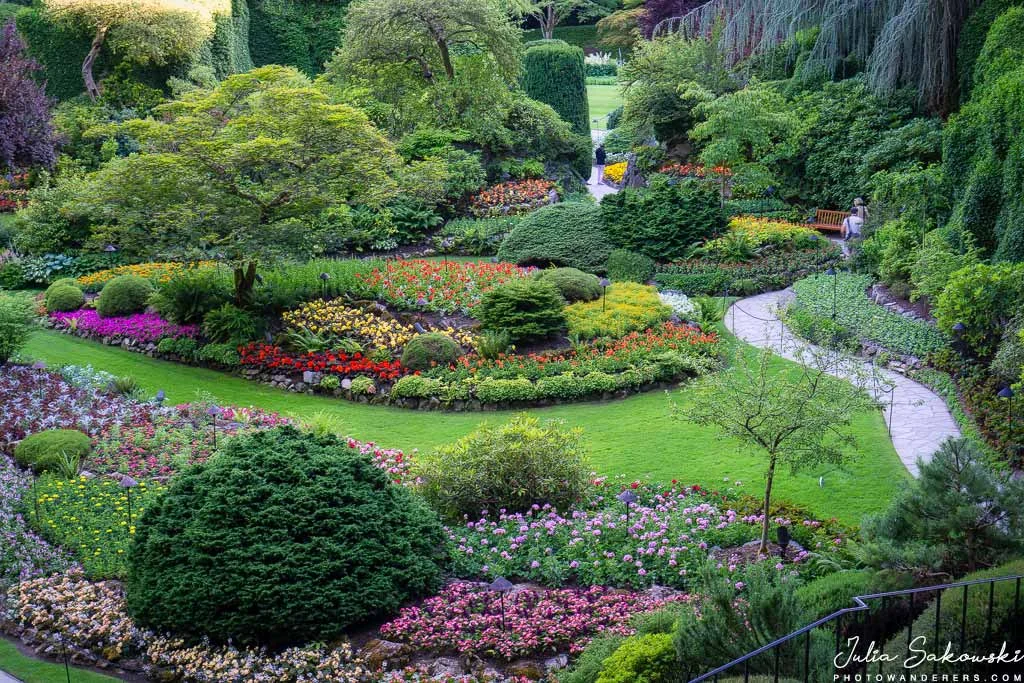
After Dark — Fisherman's Wharf
We ended the day at Fisherman's Wharf, arriving just as the sun was going down.
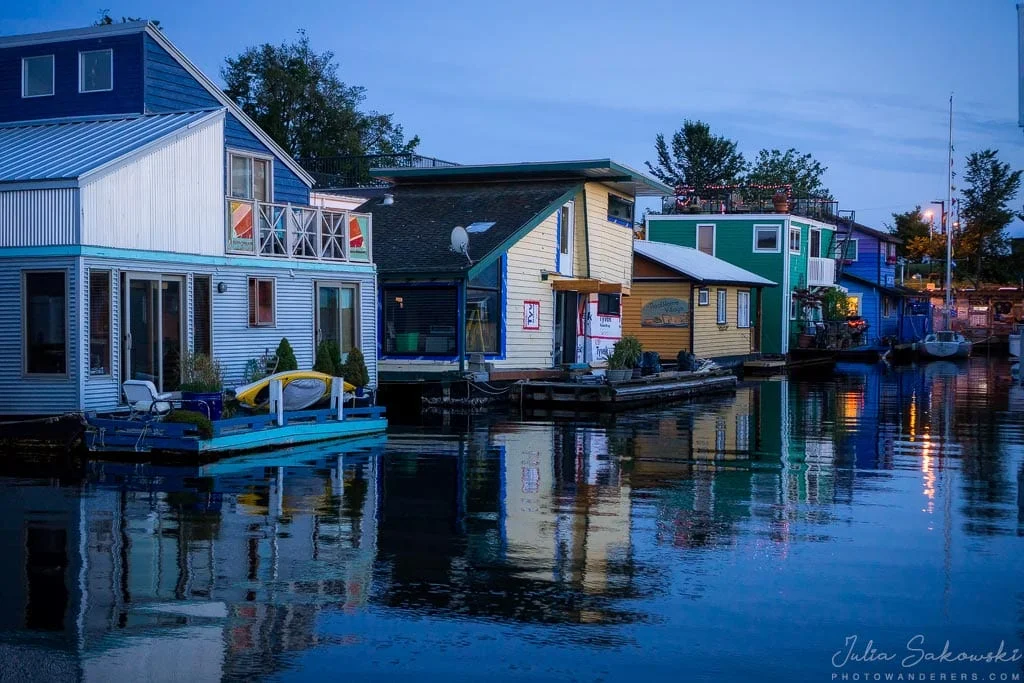
The daytime crowd had left. The fish-and-chip stands were closing. The water was perfectly still, and the floating homes — painted in reds and yellows and greens — were reflected in it like a mirror.
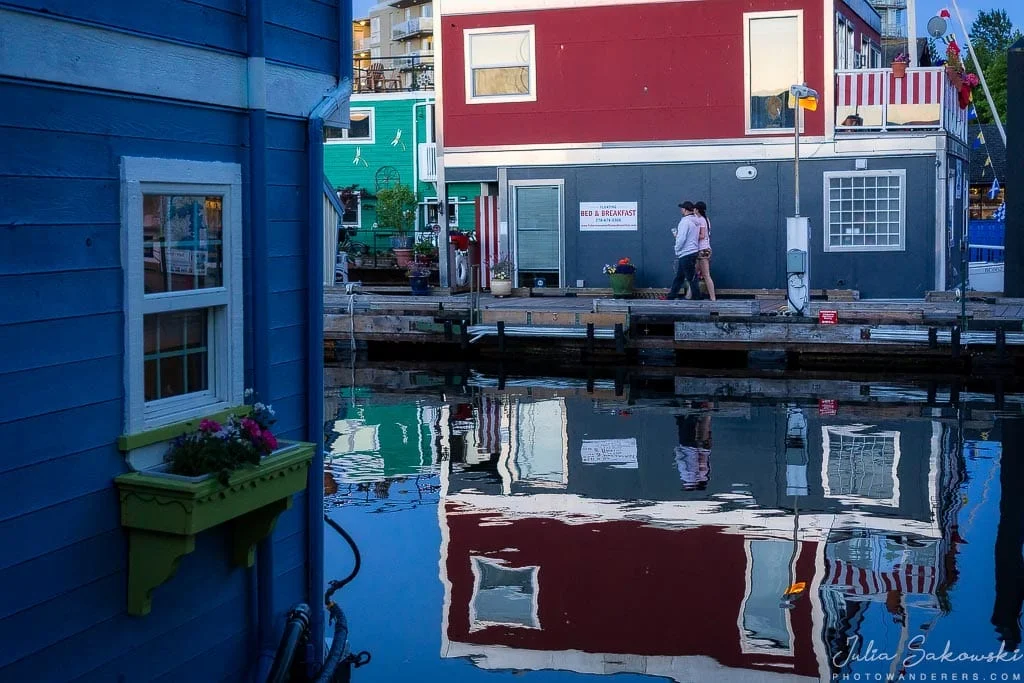
You could hear ropes tapping against dock posts. Somewhere, a gull.
Tuesday — The Long Way Around
Our last morning. We started at Ogden Point and followed the coast road all the way north to Swartz Bay.
The Pacific here smells different from Southern California. Colder. Saltier. Like something alive is happening just below the surface.
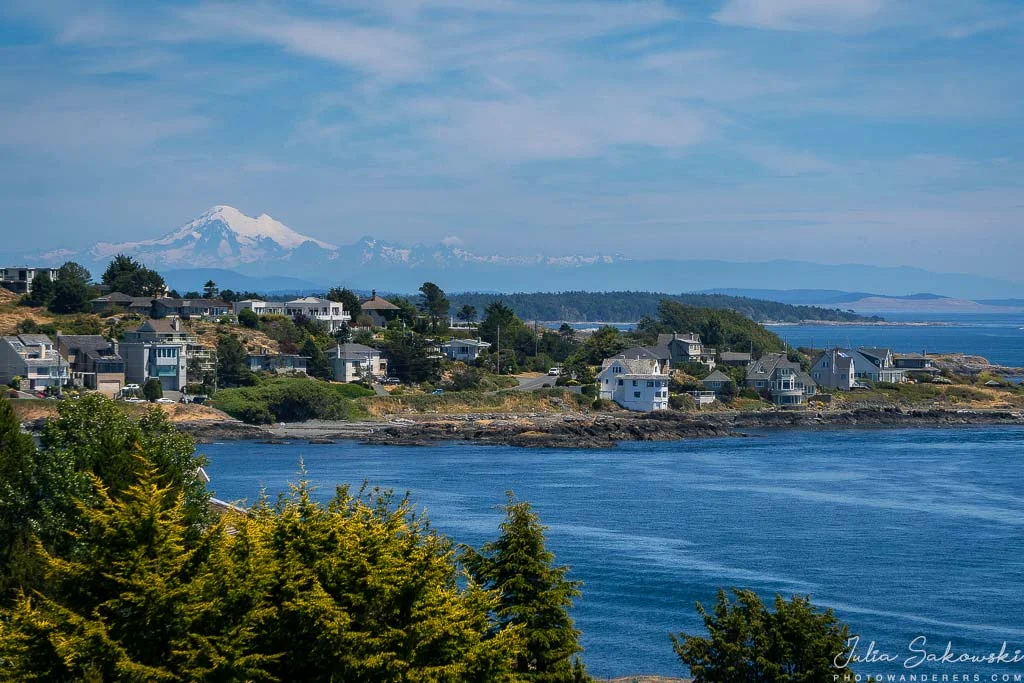
At Oak Bay, we stopped for lunch and tried Arctic Char for the first time — a cold-water fish, pink like salmon but lighter, cleaner in flavor. The marina was full of sailboats. Across the water, Mount Baker floated above the horizon in that way snowy peaks do, like they're not quite attached to the earth.
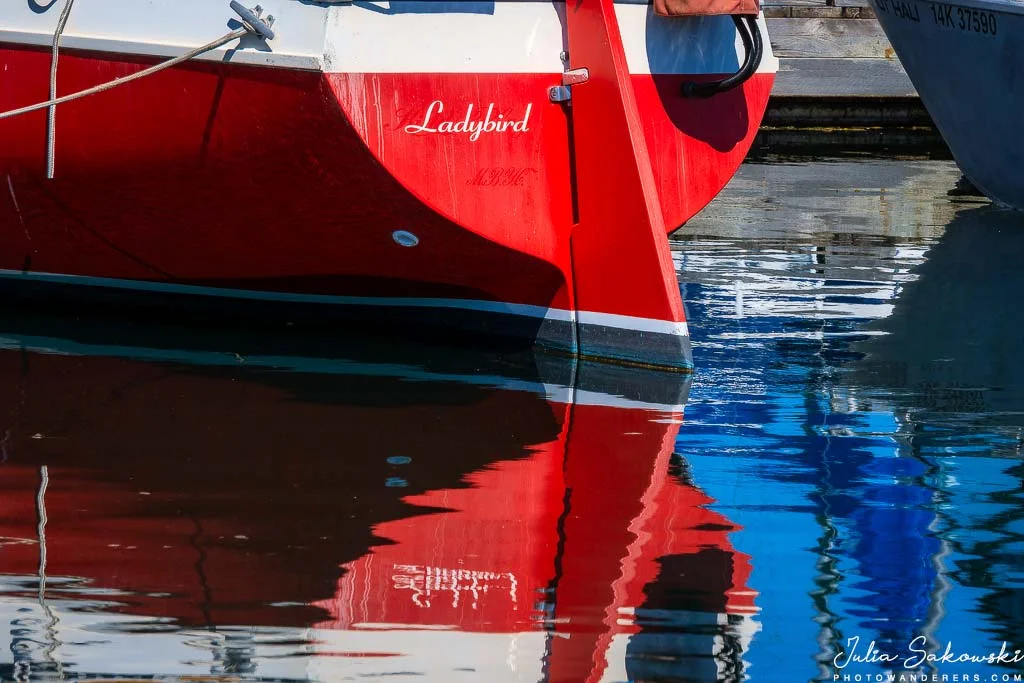
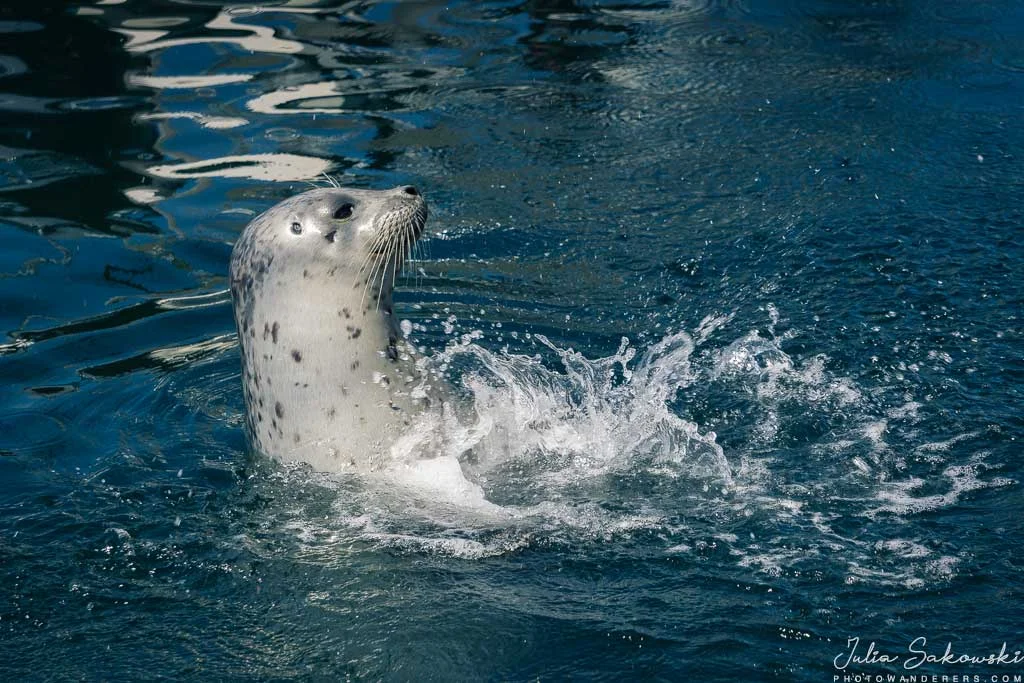
Then a seal appeared at the dock.
Then another.
They had smelled our lunch.
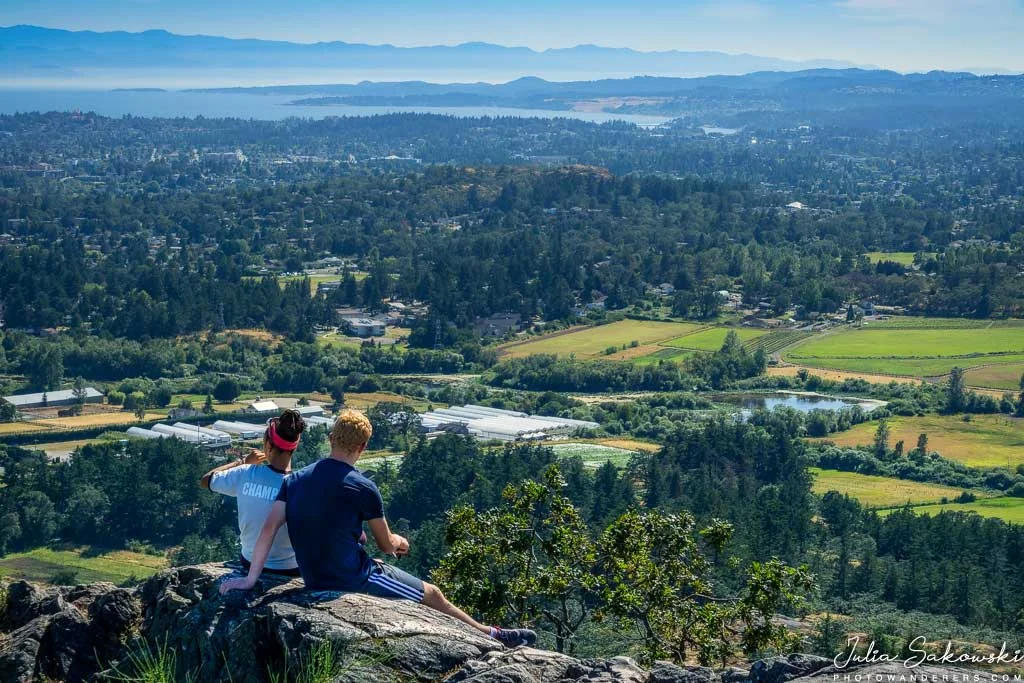
Locals had recommended hiking to the summit of Mount Douglas for views across the whole peninsula. We highly recommend the parking lot near the top. Same views, much less effort.
That evening, we packed, left the harbor view behind, and flew home to Los Angeles.
Back at the house, a new Auto Club magazine was sitting on the table.
On the cover: Tower Bridge, London.
Alex picked it up.
Comments
Leave a comment