
Croatia , Slovenia , Italy , Montenegro , Bosnia & Herzegovina
A Road Trip Along the Adriatic — Slovenia, Croatia, Montenegro, Bosnia & Herzegovina, Italy
Ljubljana greeted us with a thunderstorm. Not a gentle summer shower — a proper storm, thunder cracking over the castle, hail rattling against café windows, the river below turning dark and fast.
The market stalls below the castle were packing up fast, vendors grabbing tablecloths with one hand, holding umbrellas with the other.
This wasn't the plan. The plan was Montenegro — a few days by the sea, some old towns, some good wine. But routes expand. Croatia crept in, then Bosnia, then Venice, sitting on the map looking almost rude to drive past. Ljubljana was the beginning of a trip that refused to stay small.
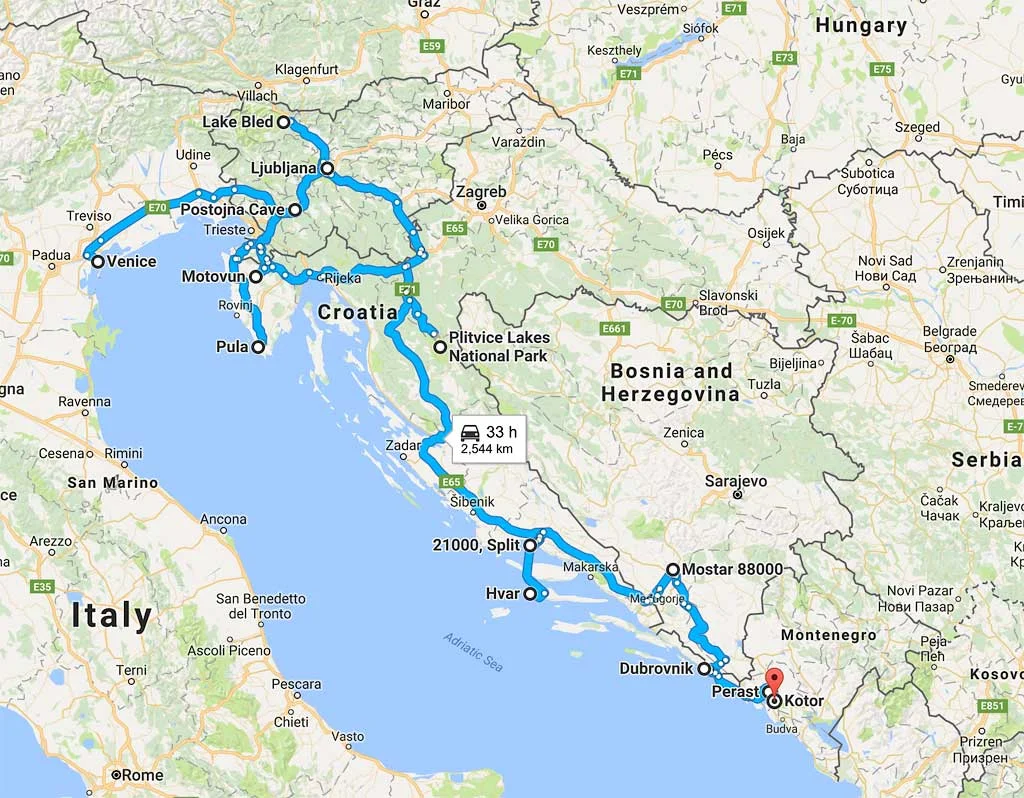
Every part of this trip had its own mood. Slovenia was green and rainy and quietly magical. Venice was sensory overload in the best possible way. Croatia was sun and stone, and history you could still walk through. Bosnia hit hardest. Montenegro felt like an encore nobody wanted to end.
Slovenia — Green, Rainy, Fairy-Tale
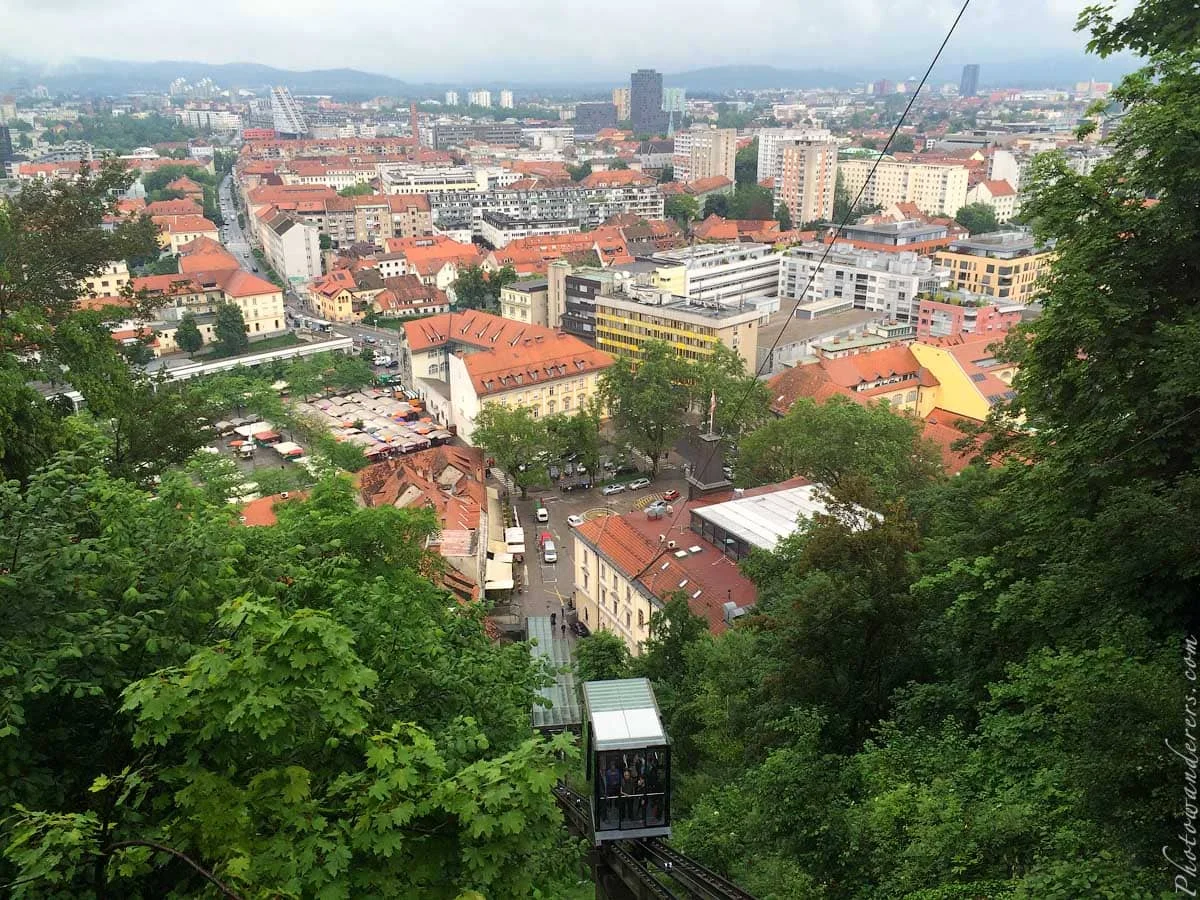
When the hail finally stopped — briefly — we took the funicular up to Ljubljana Castle and looked down at the city spread out below: a mosaic of orange rooftops, church spires, the green river curving through the middle of it all.
The old town takes only a few hours to walk. Ours took considerably longer. There was a café with green chairs on a cobblestone corner, and the honey liqueur arrived without us asking for it.
That kind of city.
One sunny day in Slovenia. We used it well.
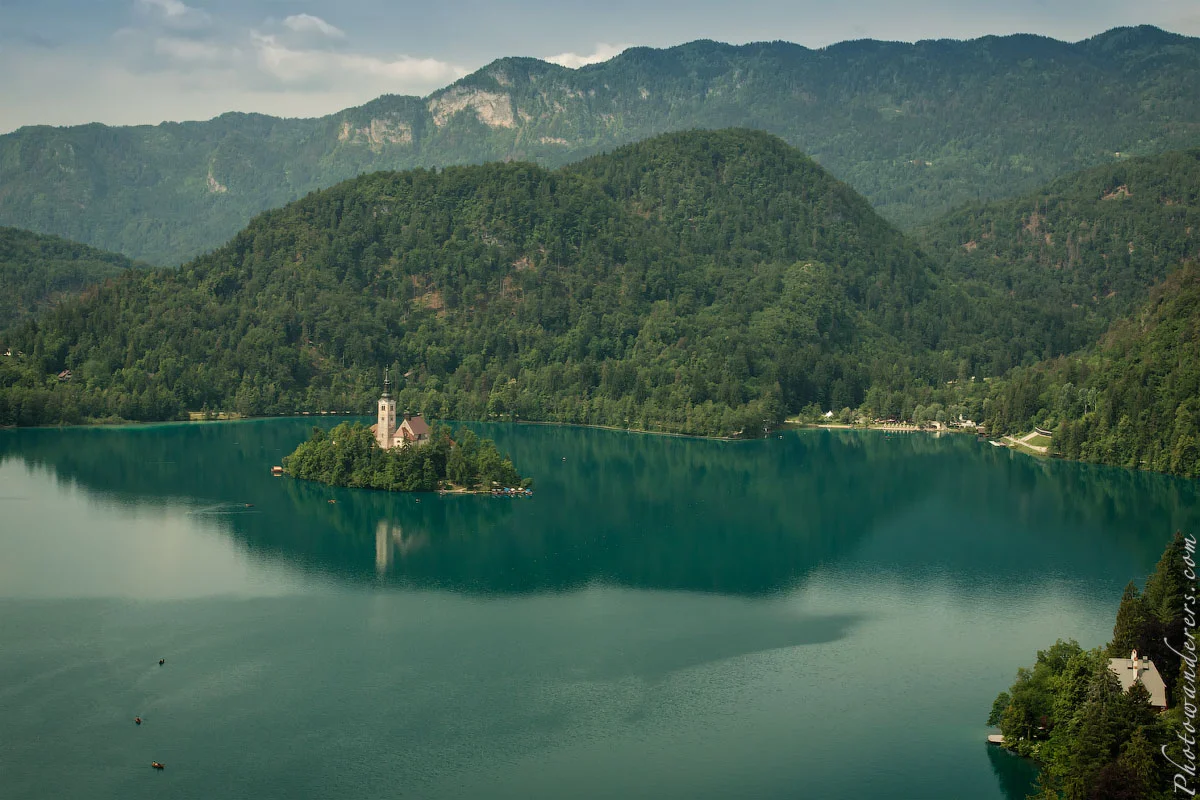
Lake Bled: a tiny island in the center of a mountain lake, a white church tower rising from it. We kept asking each other — how did they build it out there? Why? For centuries, people rowed across every Sunday just to go to Mass.
We rented a rowboat. The way there was fine. The way back — wind, a tilting boat, and me quietly packing my camera into a waterproof bag and making peace with the possibility of swimming. We made it. Just.
Before leaving Bled, every guidebook insists you try the kremna rezina — local cream cake, vanilla custard between flaky pastry with powdered sugar on top. Order two.
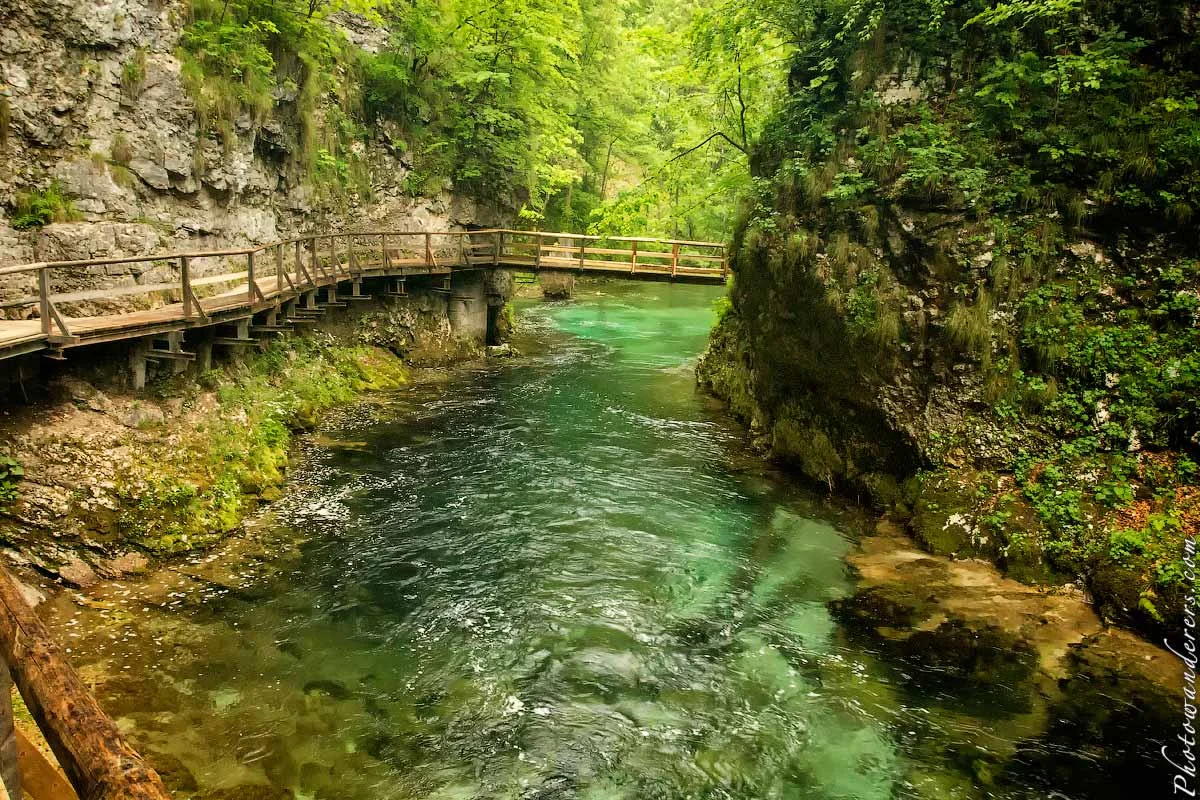
The Radovna River runs cold and emerald through the Vintgar Gorge. Wooden boardwalks cling to the rock face, crisscrossing back and forth over the river on small bridges.
Then rain. We pressed ourselves into a small hollow in the canyon wall and waited. The walls turned dark and shining. The green got brighter. The air filled with something — wet moss, cold stone, forest, all of it at once.
I stood there with one thought: how do you describe this?
Rain has an obvious solution in Slovenia: go underground.
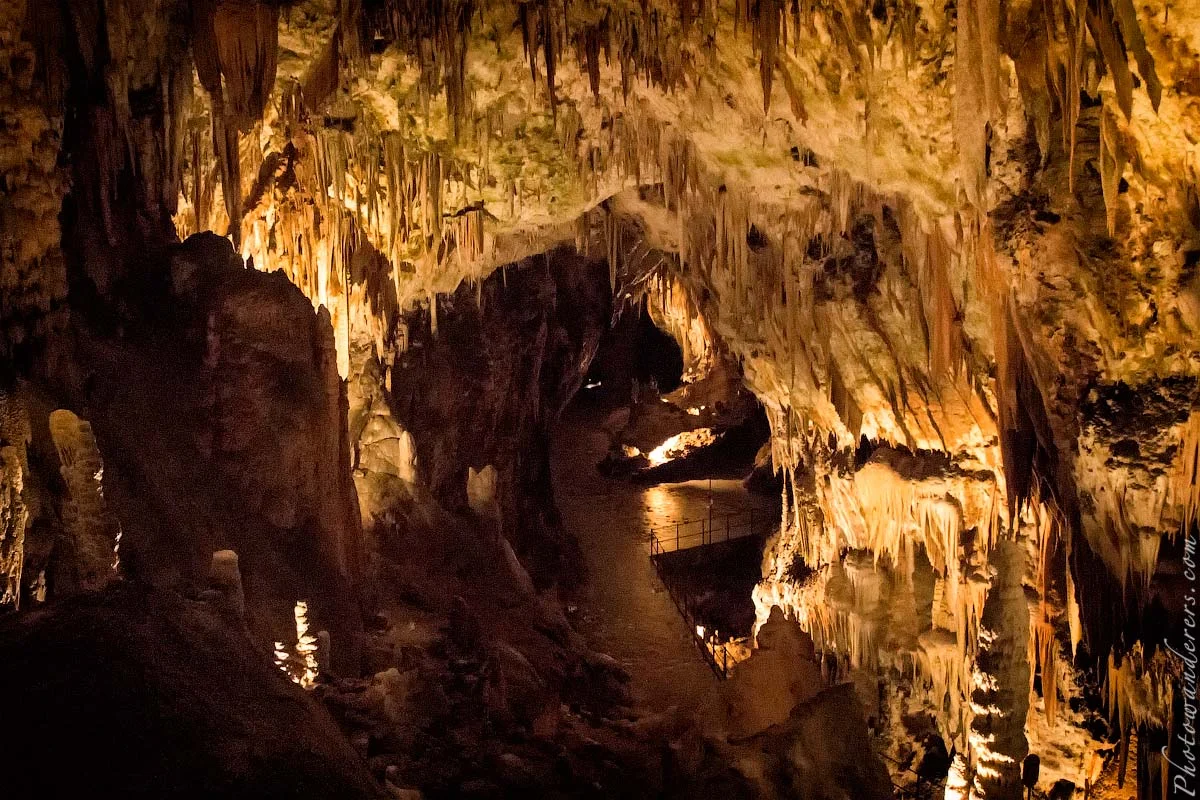
Postojna Cave is one of the largest cave systems in Europe — nearly 25 kilometers of passages. A miniature train carries you deep into the mountain before you step off to walk. Then the chambers open up. Dark openings leading to more dark openings, tunnels disappearing in every direction into blackness. The mountain is hollow in ways you can't fully see or understand.
Enormous. Silent. Around every corner, you half-expect something to be living there. Something that hasn't seen daylight in a very long time.
Venice — One Day Is Never Enough
A few hours from Ljubljana. I couldn't resist.
We left the car at Piazzale Roma and took the vaporetto to San Marco. The square. The basilica. San Giorgio Maggiore across the water.
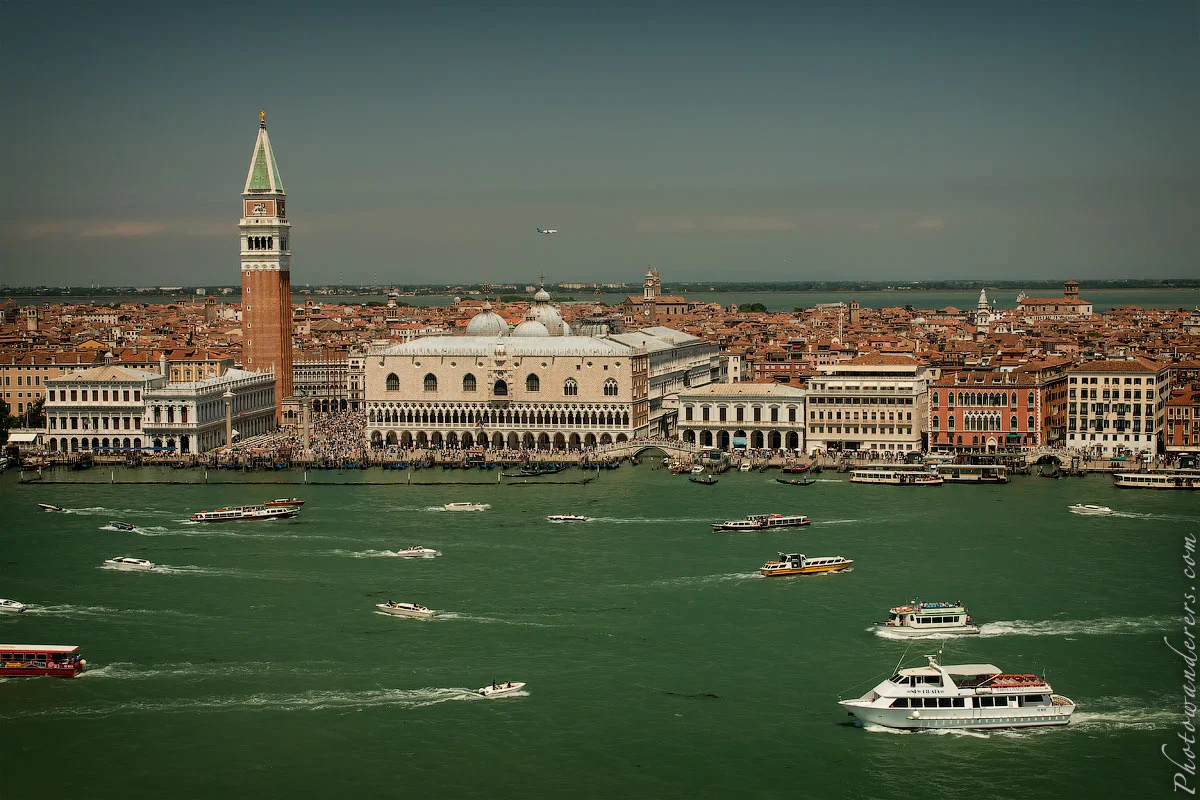
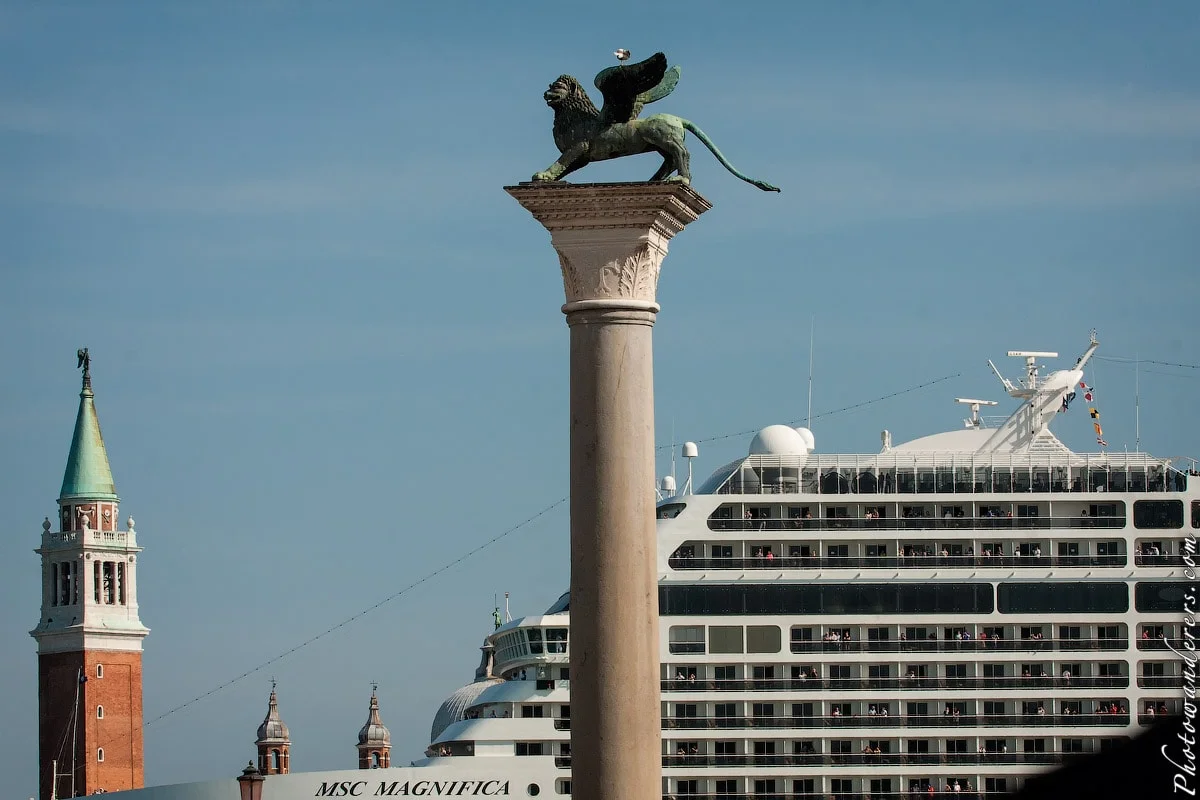
Even the ancient symbols share the water with cruise ships now.
Two minutes from the chaos, we wandered into a narrow alley. A small café. People who looked like they actually lived there. The best pizza I can remember, and Italian conversations I couldn't understand but didn't want to stop hearing.
That's the real Venice. Completely invisible to most people who visit.
Croatia — Where History Lives in the Walls
Pula surprised us. From the outside it felt like a working port city — industrial, unglamorous, cranes hanging over the harbor, the smell of diesel in the air. Then we turned a corner and stopped.
There it was.
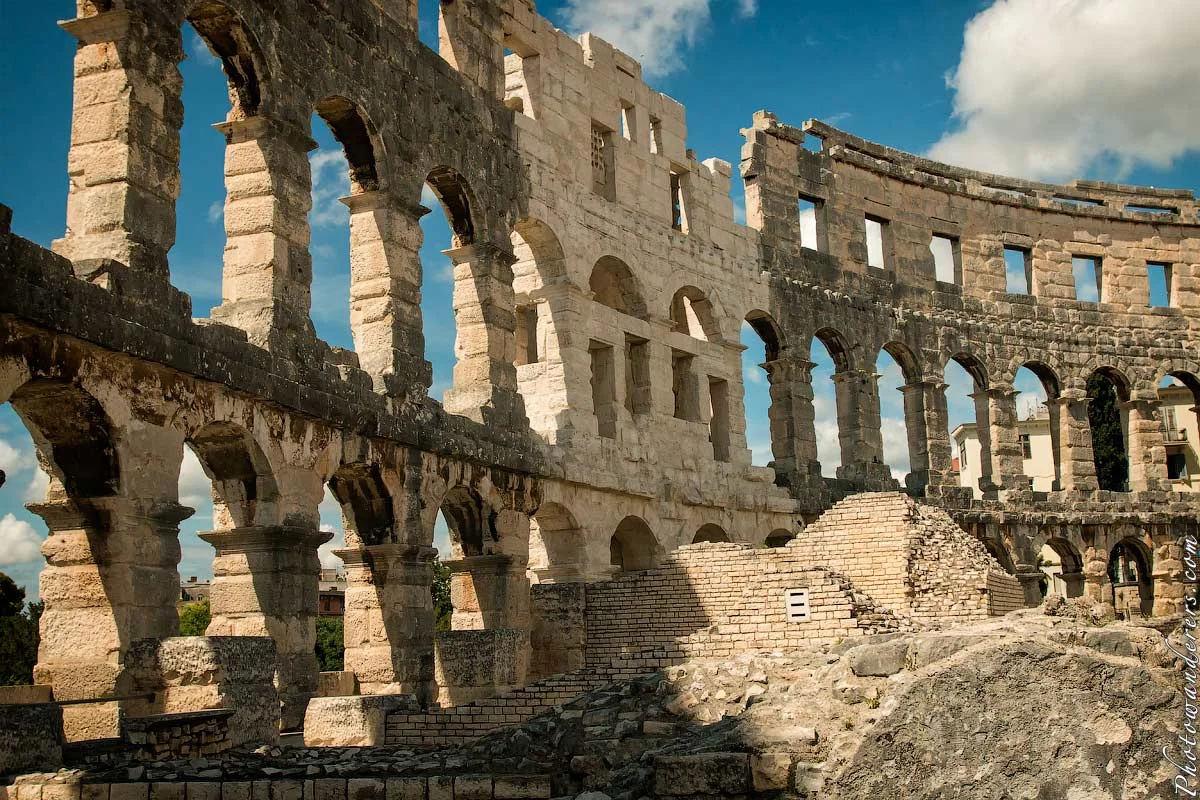
A Roman amphitheater from the first century, rising right beside the water. Pale stone glowing in the afternoon light. Much of the interior had disappeared over the centuries, the stone carried away piece by piece and reused to build the rest of the town around it.
The air was quiet — just gulls and the distant harbor — but you could feel the noise this place once held. Horses. Shouting crowds. Metal striking metal.
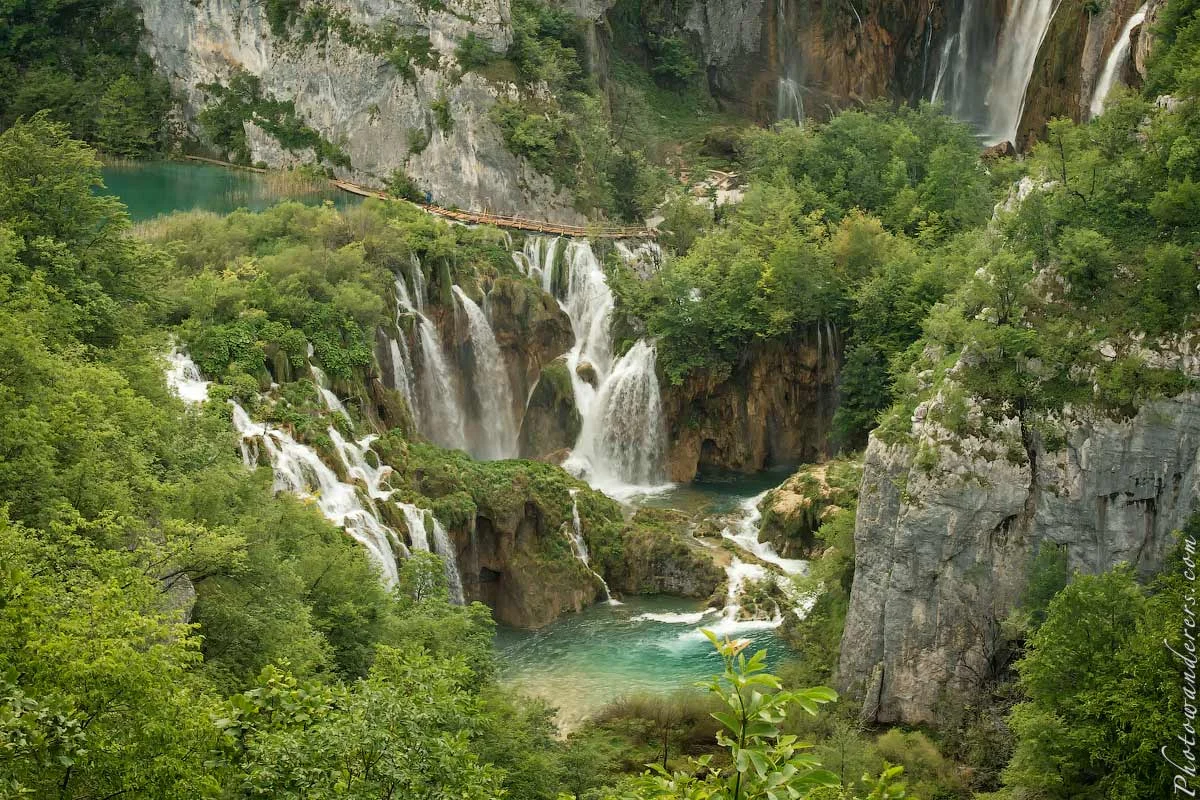
Plitvice was something else entirely — less like a national park and more like a world built entirely out of water.
Streams feeding waterfalls, waterfalls spilling into lakes, lakes emptying into other lakes somewhere deeper in the forest. Water running beneath the wooden walkways under our feet.
The color keeps changing. Deep green one moment, bright turquoise the next, depending on the light, the depth, the angle of the sun.
Every few minutes, we stopped and forgot to move.
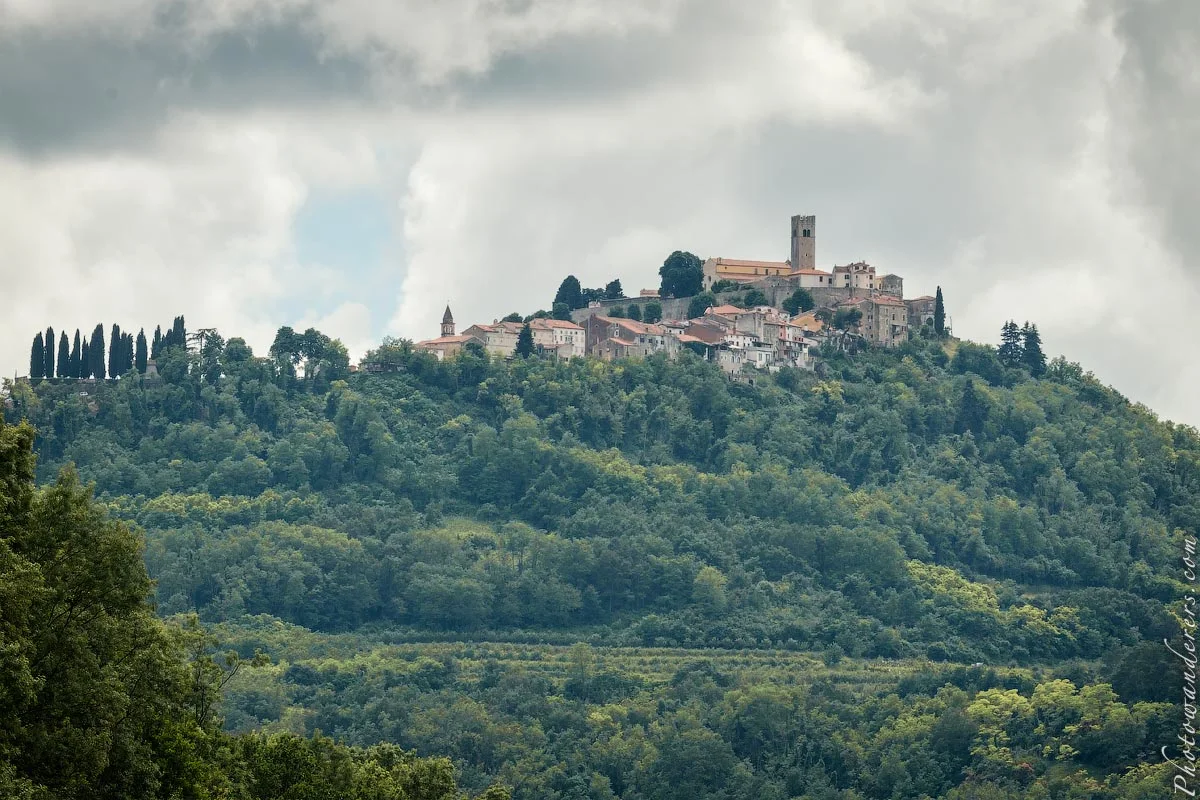
We didn't make it up to Motovun. Rain threatening, clouds hanging low, the old town perched on its hill.
But we didn’t really need to go up.
The smell of truffles reached the road long before the old town did. Restaurants everywhere — tiny family places next to polished Michelin-starred dining rooms — all advertising truffles in every form imaginable.
Fresh truffles. Truffle cheese. Truffle olive oil. Truffle pasta.
And pear jam with truffles.
I stood there staring at the jar for a solid minute, trying to understand why that combination existed. Now I can’t forget it.
Split is one of the most unusual cities in the world. Its old town is not built around a Roman palace. It is a Roman palace — and people have been living inside it for fifteen centuries.
At some point, we stop seeing ruins and realize this is simply the city itself. First-century stone walls woven into apartment buildings. Roman archways opening into modern cafés. Laundry hanging above marble streets, polished smooth by centuries of footsteps.
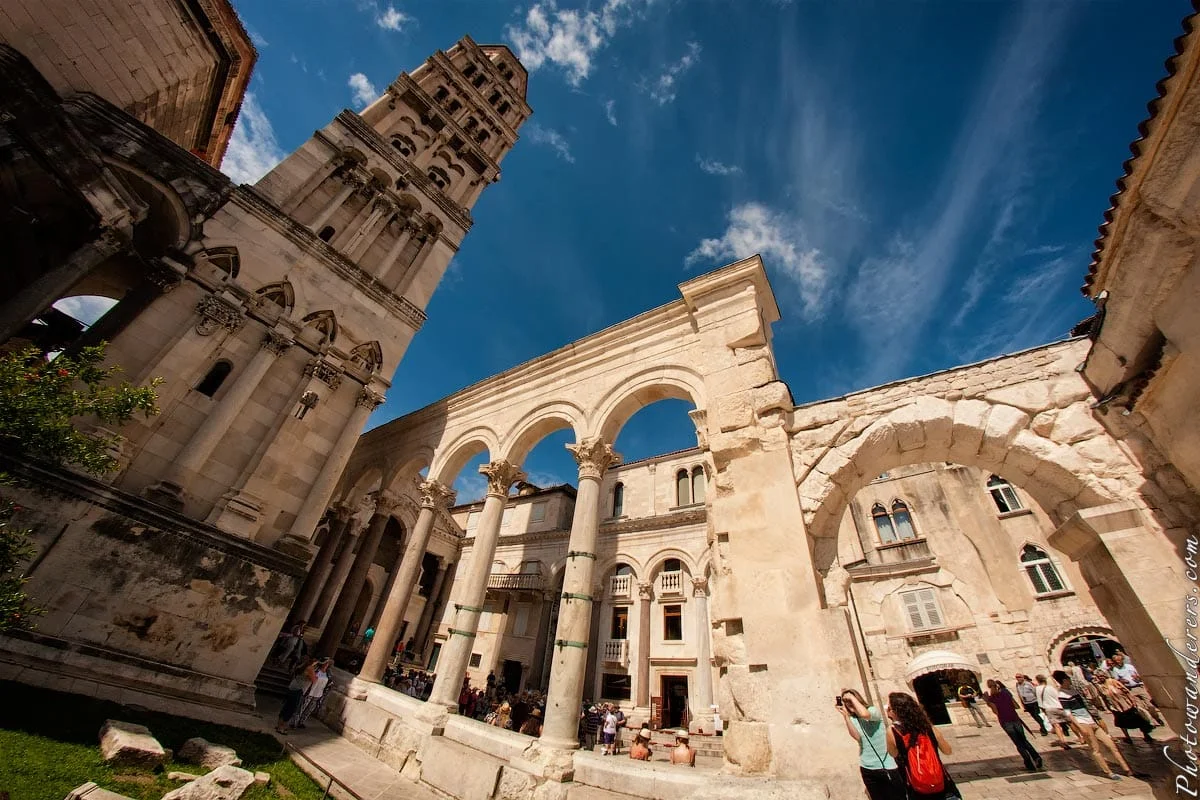
Strange, beautiful, completely alive.
We stayed on the fourth floor. No elevator. Two large suitcases. By the time we reached the apartment, we were significantly less romantic about medieval architecture.
A fast catamaran from Split takes about an hour to Hvar. Step off the boat and the town hits you all at once — small, bright, packed together, almost toy-like in the best possible way.
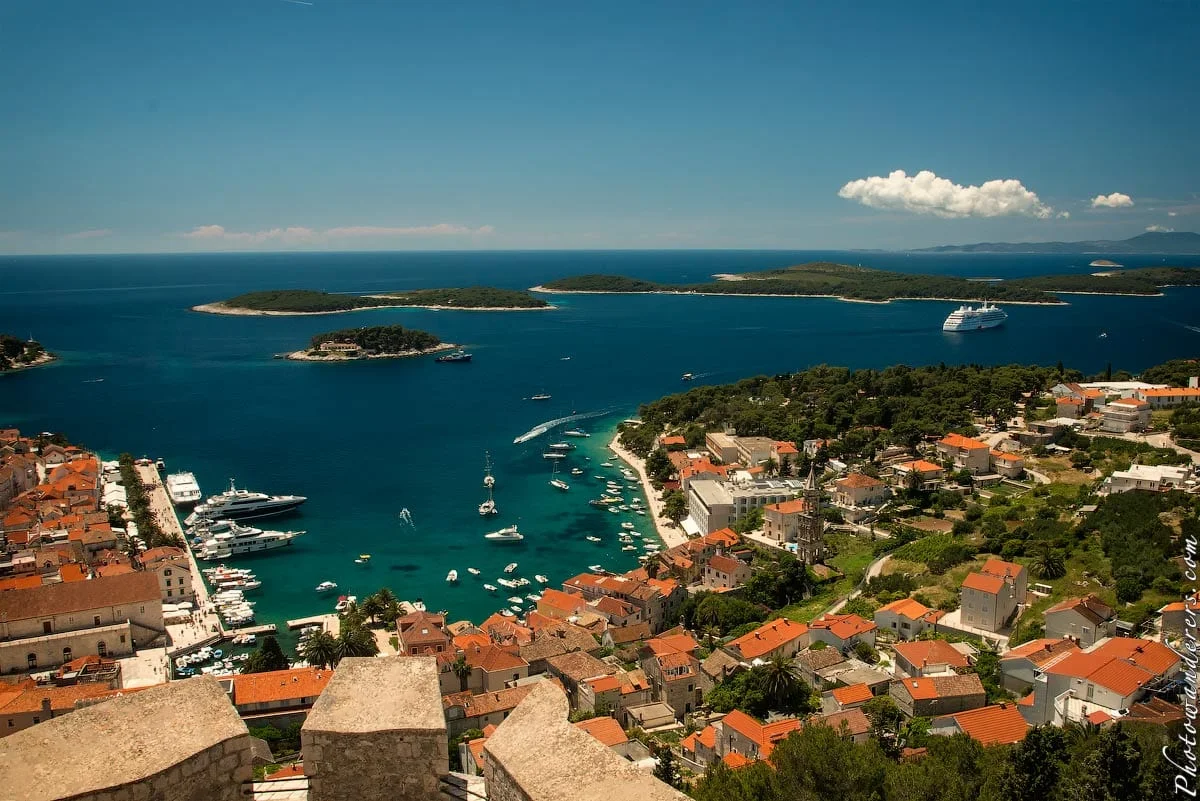
White stone glowing in the sun. Stairs everywhere. People diving into the water from every flat rock they can find. Narrow streets arranged so perfectly they seem designed specifically to be photographed.
Olive groves climbing the hillsides above the harbor. Bell towers. Buildings bleached and battered by salt air have somehow come out more beautiful for it.
Everything in Hvar feels slightly exaggerated, like someone turned the Mediterranean up too high.
Bosnia & Herzegovina — Weight and Wonder
Leaving Split for Dubrovnik, we turned into the hills of Bosnia. Two places. Very different. Both unforgettable.
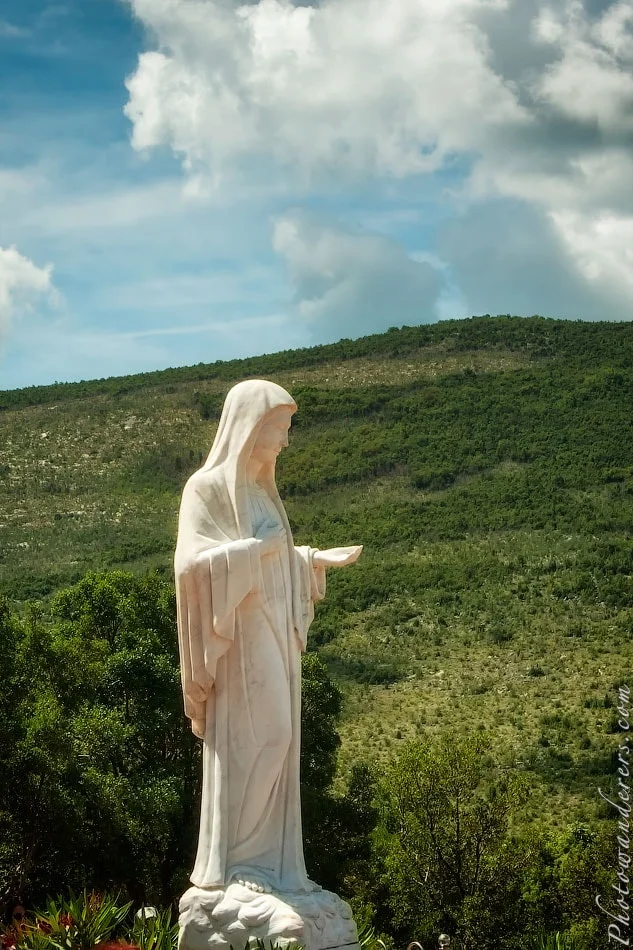
Medjugorje is a village most people outside of religious travel have never heard of. In 1981, six local teenagers reported an apparition of the Virgin Mary on a hillside. The Vatican has never officially recognized it. Millions of pilgrims come anyway.
We climbed Apparition Hill. Sharp limestone underfoot — many people do it barefoot. The path asks something of you before you reach the top.
At the summit: a small white marble statue, open hands, looking at the village, or the valley, or maybe the whole world.
An hour away, Mostar.
The bullet holes are still in the plaster. Empty lots where buildings stood. The 1990s didn't happen long enough ago.
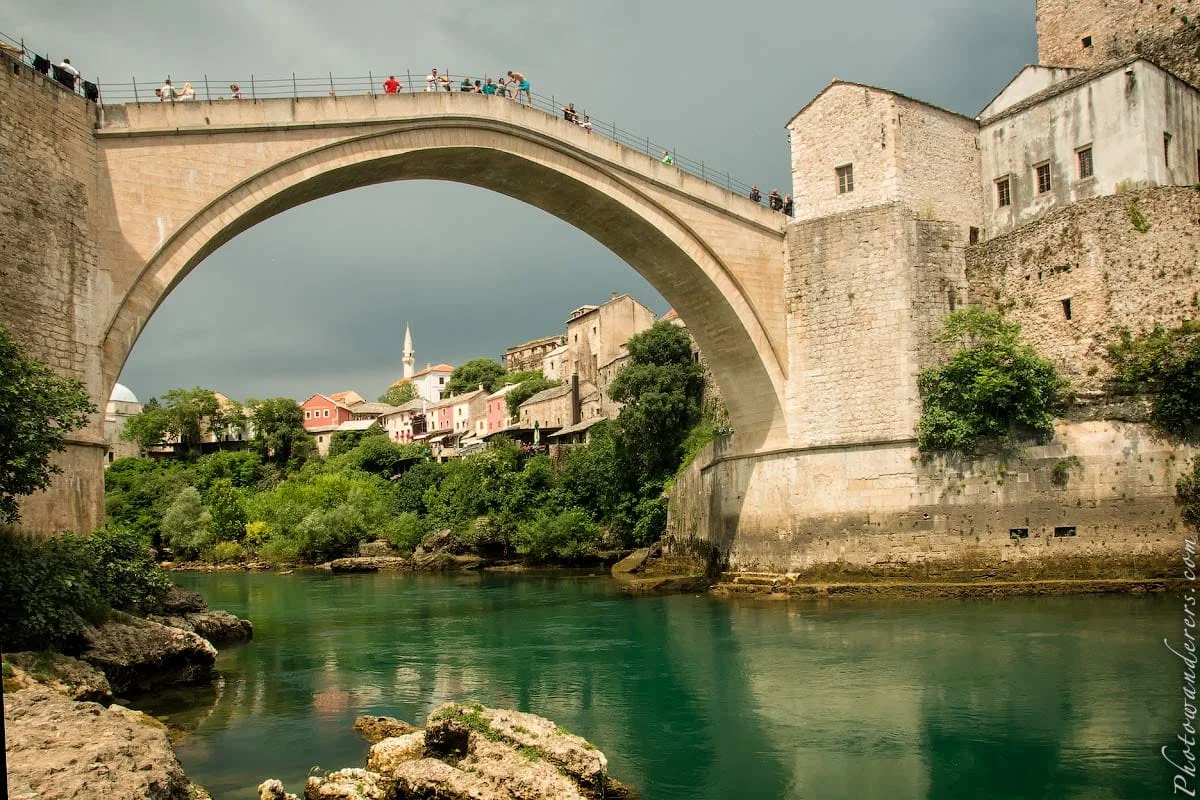
But the river is still that color. Bright, unreasonable green, running cold and fast under the old bridge.
The Stari Most — one pale limestone arc, Ottoman-built in 1566. Deliberately destroyed in 1993. Rebuilt stone by stone. Reopened in 2004, exactly as it was.
From the bridge: the smell of coffee and grilled meat drifting up from the bazaar below. Young men climbing the railing, looking down, jumping. A tradition centuries older than the war that tried to erase everything.
Some things come back.
Dubrovnik — The Pearl
We arrived after dark.
Salt in the air. Stone still warm from the day's sun. Something electric, even before we could see anything properly.
Morning changed that.
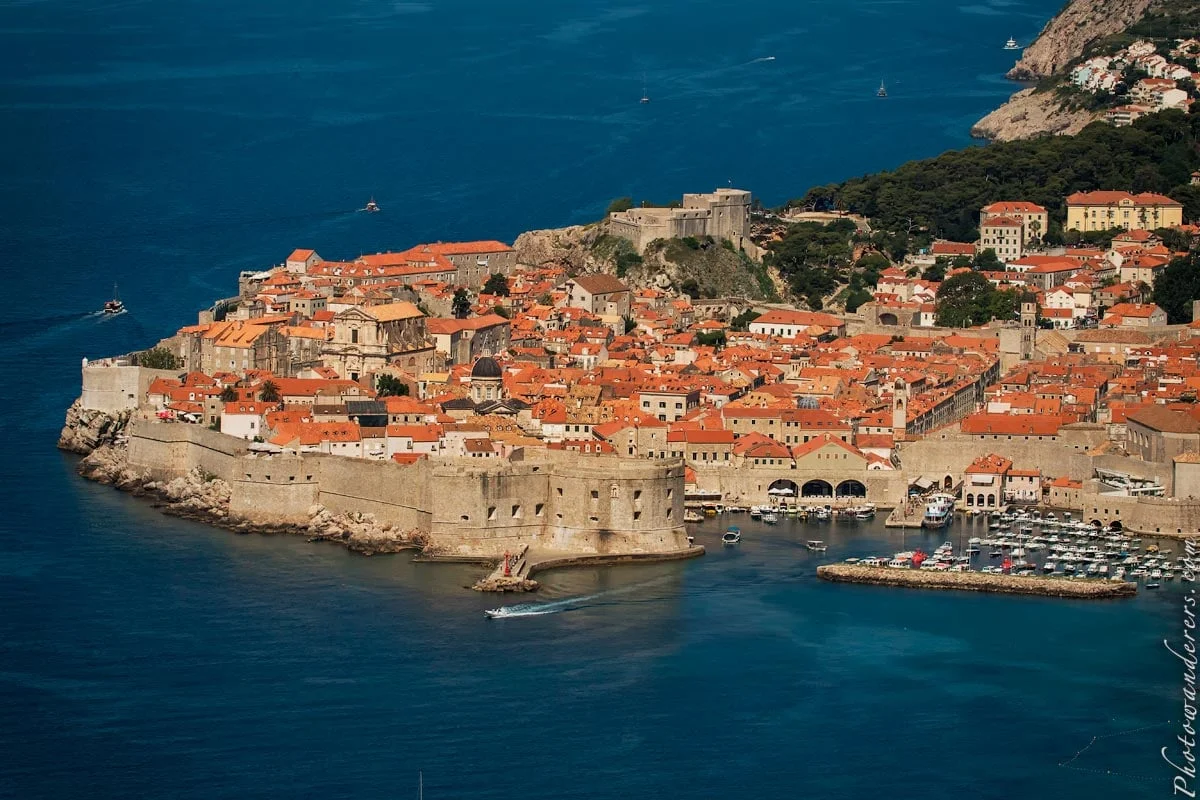
Limestone the color of old honey. Red rooftops pressed tightly together inside walls that rise straight from the sea.
We walked the walls. An hour and a half. On one side, open water as far as you could see. On the other, the whole city spread out below — orange rooftops, bell towers, narrow streets disappearing into shadow. In the late afternoon, the light turned golden and the city seemed to glow from inside.
Five hundred years ago, this was the third-largest naval power in the Mediterranean, trading across the known world, competing with Venice itself. The Game of Thrones people found it later.
Montenegro — The Encore Nobody Wanted to End
More terracotta rooftops. More cats on warm stone. Coffee by the water, no hurry, a view that asks you to stop talking.
The Bay of Kotor: mountains falling almost vertically into the water. Mirror-still. By late afternoon, the whole bay turns silver, throwing the sky back at itself, the shore towns lit from within.
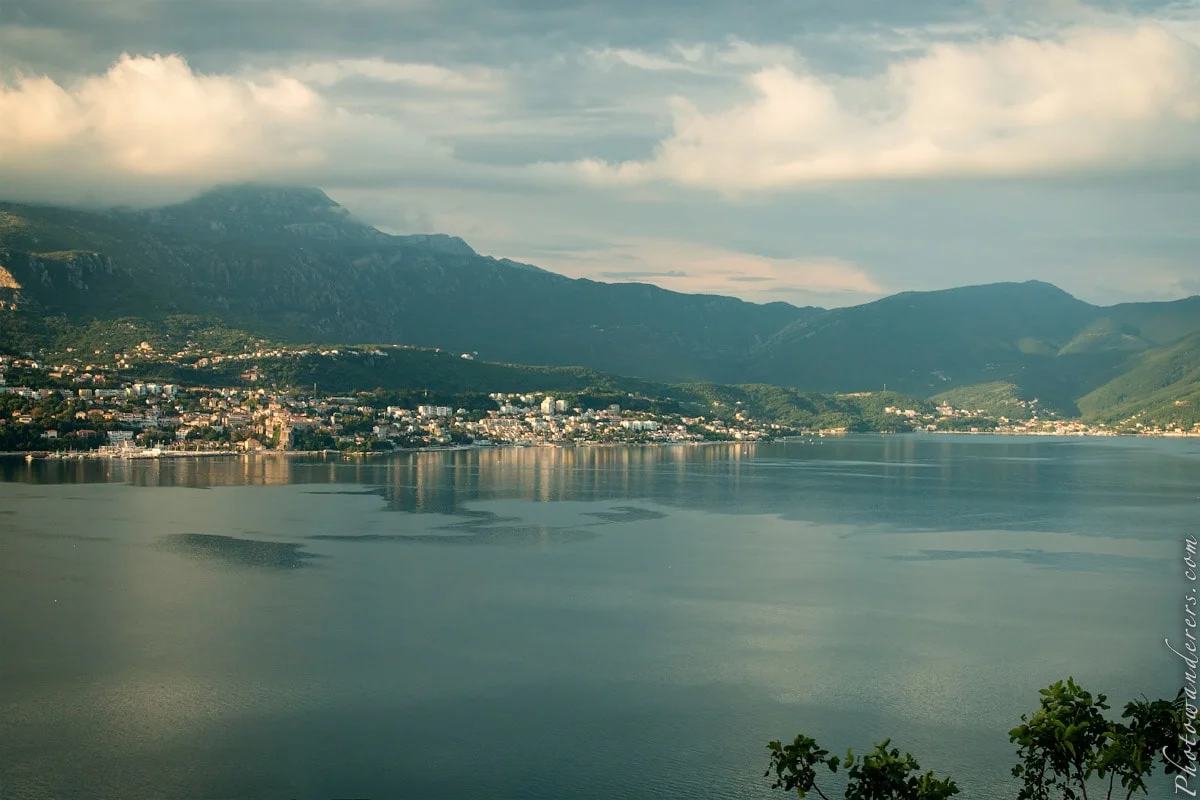
We drove around. Took the ferry back — fifteen minutes across the narrowest point, mountains reflected on every side. Both ways were right.
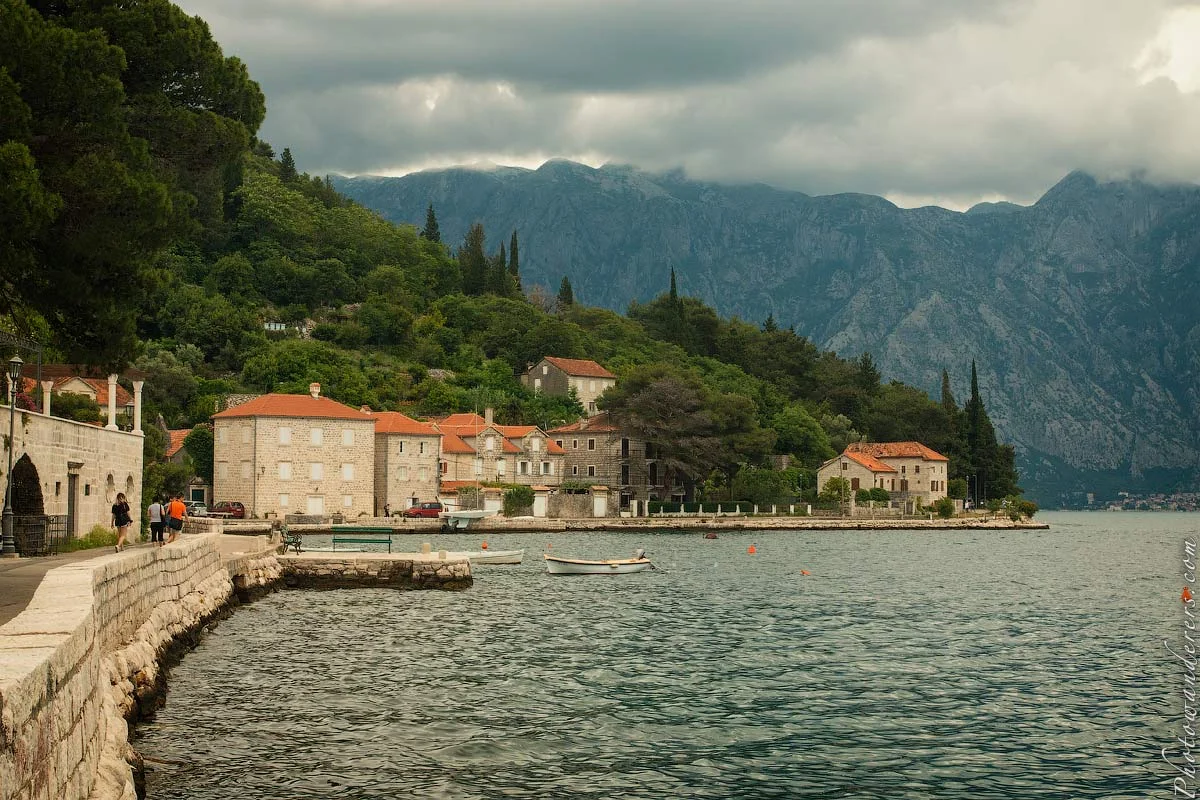
We stopped in Perast. One street. It follows the waterline.
Venetian mansions shoulder to shoulder — faded, slightly crumbling, not apologizing for either. Small boats bobbing in front of the houses. The church of St. Nicholas at one end, patron saint of sailors, keeping watch.
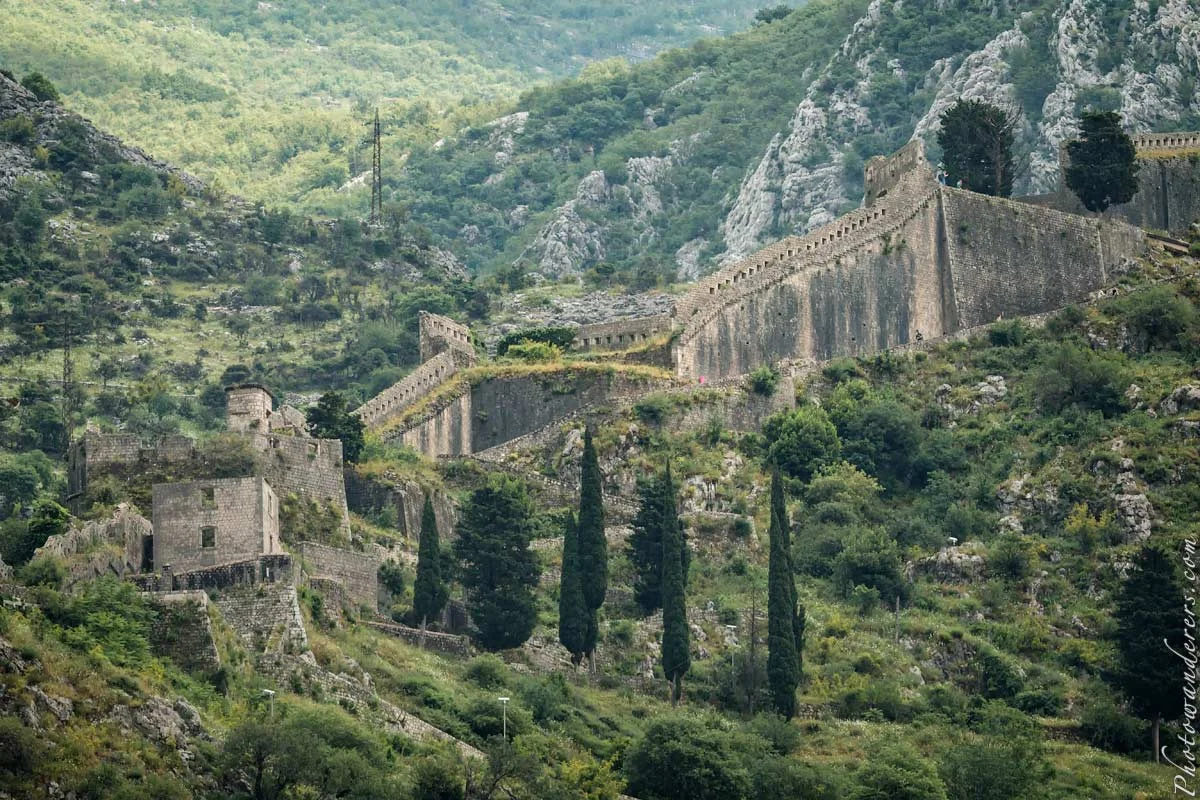
Kotor sits at the far end of the bay. Medieval walls climb the mountain behind the old town — not gently. Steeply, dramatically, in long zigzagging lines disappearing toward the clouds. Standing in the valley, looking up, you understand immediately how it held.
Inside the walls: cats. Hundreds of them — in doorways, on café chairs, stretched across fountains. The city has a small museum dedicated to them. Coffee machines, church bells, voices in several languages, the faint sound of water just beyond the walls.
The Road Home
The drive from Dubrovnik back to Ljubljana: one full day, exactly as planned.
Somewhere over the Alps, a single thought: we never once set foot on a beach. Twelve days along the Adriatic. All that blue water. All that sun.
We never just stopped.
I'm not sure we missed anything.
Total distance: ~4,000 km. Countries: 5. Days: 12. Beach days: 0. Regrets: none.
Comments
Leave a comment